
By Walter Mosley
Here is my snorkeling trip report for Metita Beach and Dive Resort off Morotai Island in North Maluku, off the north end of Halmahera Island. While there were some highlights, I found the snorkeling lacking, and some serious issues with travel logistics. This was the fifth part of a two month solo snorkeling tour in Indonesia in the spring of 2026. I have shared five more reports from different areas visited on this trip; they are linked to below. I described the reefs, visibility, marine life density, and boat logistics to help fellow snorkelers plan remote itineraries.
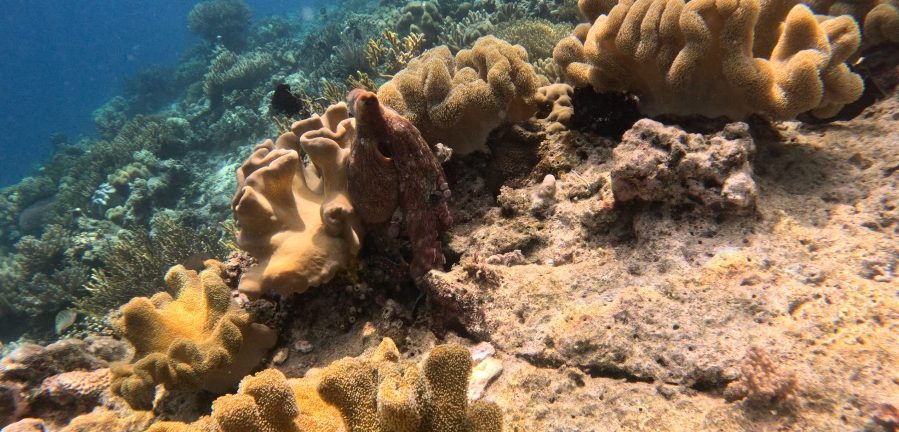
My Report About Snorkeling from Metita Beach and Dive Resort
While the local marine life offers unique individual highlights, the combination of severe transit vulnerabilities, a lack of resort flexibility regarding missed nights, and subpar reef health makes it difficult to recommend Metita Dive and Beach Resort. Travelers seeking high-quality vibrant snorkeling, and reliable logistics may want to look elsewhere.
The Snorkeling Setup at Metita Beach and Dive Resort
Daily excursions by Gangga Divers combine scuba divers and snorkelers on the same resort vessels. While the boats are physically stable, they can feel crowded when accommodating groups of six to ten people alongside the required guides. I spent five mornings snorkeling with a mix of other snorkelers and scuba divers.
Reef Health and Marine Life Observations
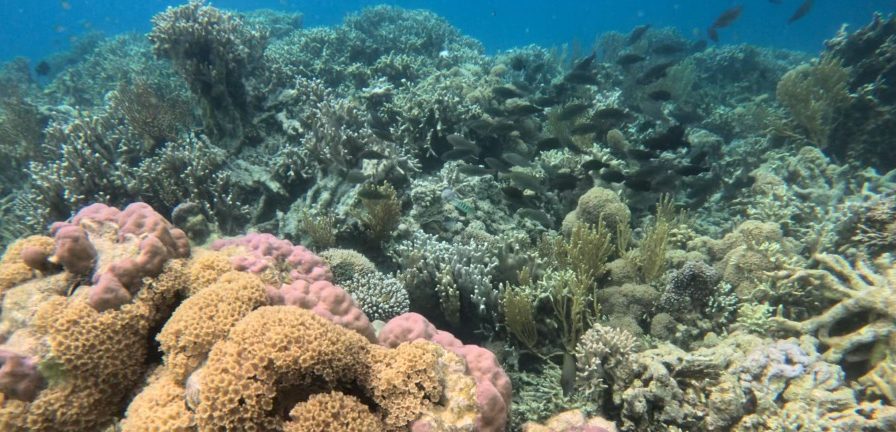
Despite the resort’s remote geographic location, the local marine environment does not meet expectations for a premium snorkel destination. In some areas the coral reefs feature low coral coverage, lack of vibrant coloration, general water visibility is only fair (see in this video) while other areas were pristine (see in this video). Furthermore, fish populations and species diversity are notably low, suggesting the area may suffer from the effects of historical overfishing. There is also a tragic history of destructive fishing practices here, including blast and dynamite fishing.
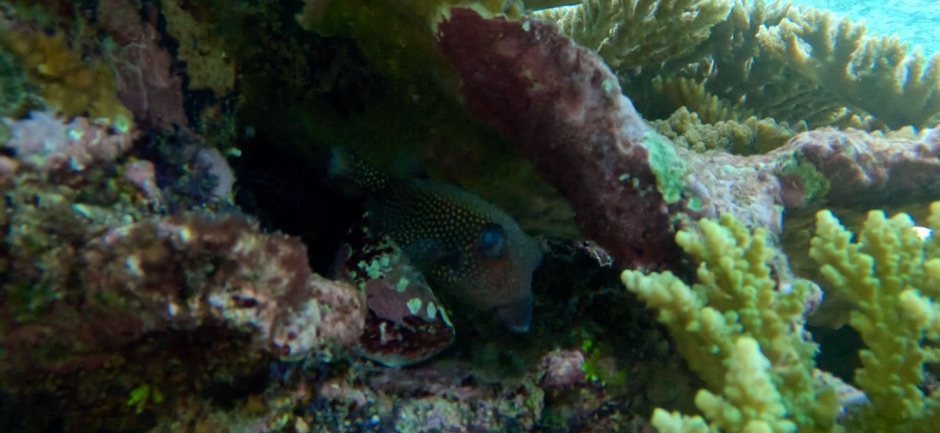
The resort’s house reef is decent, though it is similarly affected by lower visibility, reduced fish populations and less vibrant coral than what I have typically encountered in other areas of Northern Indonesia. It is also heavily restricted by changing tides, making access difficult. It is best to wear thick water shoes if you plan to access the reef from the shore. Interestingly, the coral and marine life on the house reef were actually better than at some of the designated excursion spots, including the reefs at nearby Dodalo and Kokoya Islands.
Marine Highlights
The primary highlights of the region are its shallow-water marine life encounters. The shallow flats provide rare opportunities for extended interactions with highly active octopuses, allowing guests to observe complex camouflage, shape-shifting behavior, and skin texture modifications over prolonged periods.
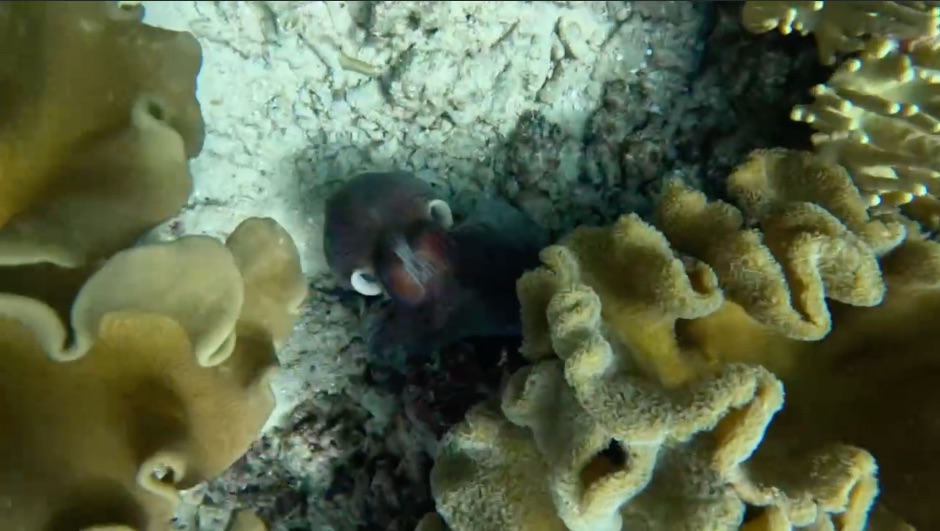
There are many octopuses in the area and one played hide-and-seek, shifting from deep mottled brown to stark white and back in seconds, watch a video here. Most octopuses are nocturnal but this Day octopus was out foraging during broad daylight and has specialized and amazing camouflage techniques. They are very intelligent and can be playful as they jet and glide from one spot to another, pulsing with color as they sweep across the shallow reef, watch the video below.
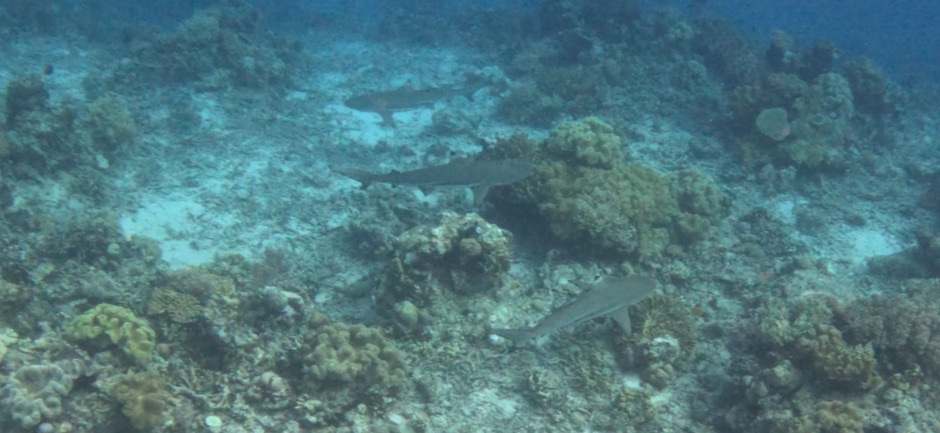
Blacktip Point provided outstanding views of sharks, their dark fins cutting cleanly through the sunlit shallows as they patrolled the fringe area and the deeper drop-off. This is a very popular place to watch the blacktip reef sharks congregate. Watch a video of one below.
You can also find groupers, anthias, wrasses, tangs, damselfish, butterflyfish, boxfish, pufferfish, porcupinefish, and clownfish darting defensively in and out of their neon anemone tentacles (see video here). Unfortunately, the volume of fish encountered does not compare to other areas I’ve been in Indonesia. The coral varieties included leather, staghorn, table, hump, brain, fire, cauliflower, and mushroom corals, alongside a few sea fans.
Pelagic Activity
On multiple days en route to our dive sites, we encountered small groups of spinner dolphins. These graceful, open-ocean marine animals are incredibly fun to watch and are capable of spinning like a corkscrew up to seven times in a single jump, launching clear out of the water with incredible speed. I got a short video of one you can watch here.
Travel Logistics Challenges and Transit Issues
Getting to the resort is a major gamble due to highly unreliable regional flights. When the weekly flight to Morotai Island is canceled, travelers face a brutal 16-hour round-trip detour through Ternate Airport. This grueling backup route requires an overnight stay, multiple car rides, a taxi boat, a five-hour drive through the jungle, and a final speedboat ride. Losing two full travel days to these airline cancellations is a constant risk.
Making matters worse, the resort offers absolutely no flexibility, refunds, or credits for nights missed due to transit issues. Instead, they add insult to injury by charging significant fees for the alternative boat and vehicle transfers needed to rescue your trip. The parent company, Lotus Hotels, desperately needs to secure reliable carrier agreements rather than passing these steep transit penalties and costs onto their guests.
More Posts From My Trip
First stop: West Bali National Park
Second stop: Derawan Islands
Third stop: Saronde Island
Fourth stop: Bunaken National Marine Park
Sixth stop: Raja Ampat