
Alor snorkeling is one of our all time favorites. Alor was the first place we snorkeled in Indonesia or the Coral Triangle. That was in 2019, and we returned in 2025. The diversity and quantity of life underwater is incredible. It is so uplifting to see such healthy reefs, especially six years later!
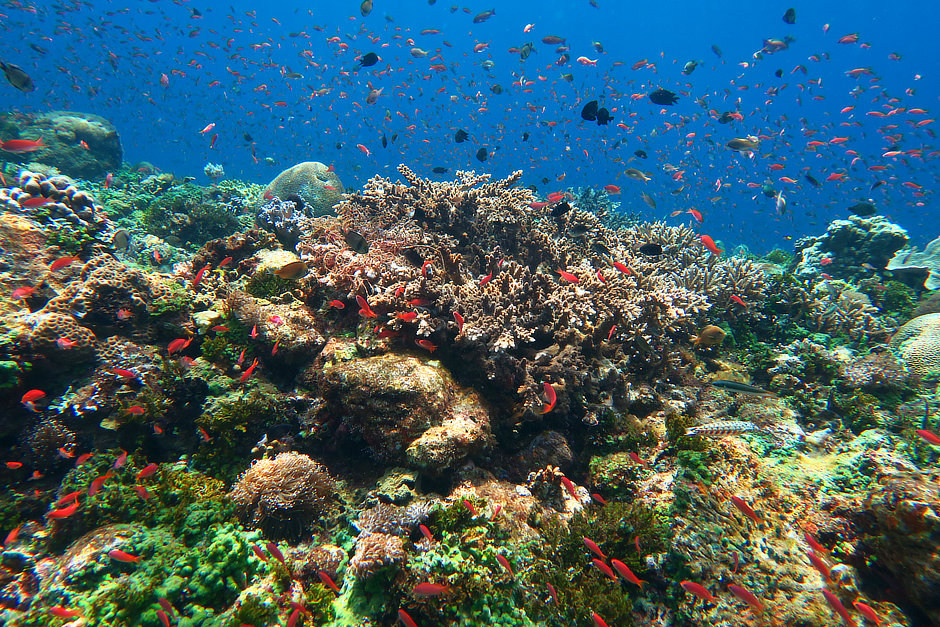
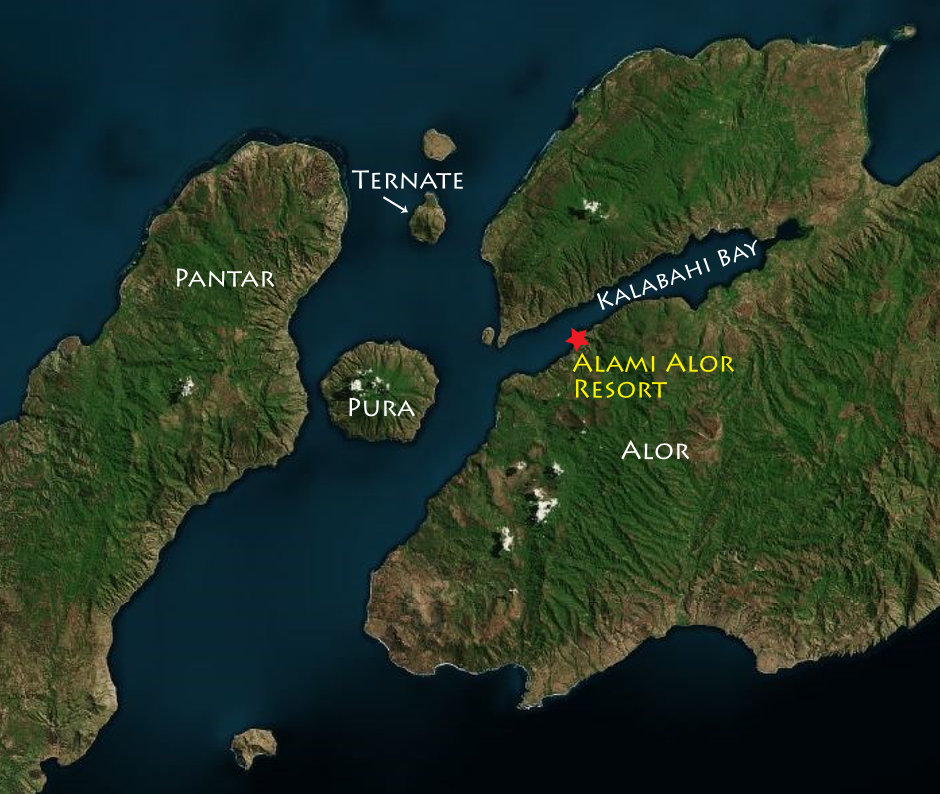
Most of Alor’s great snorkeling spots are in the Pantar Strait, the waterway between the islands of Alor and Pantar. The islands in the strait, Ternate and Pura, offer wonderful snorkeling. There are fantastic spots on Pantar and Alor as well.
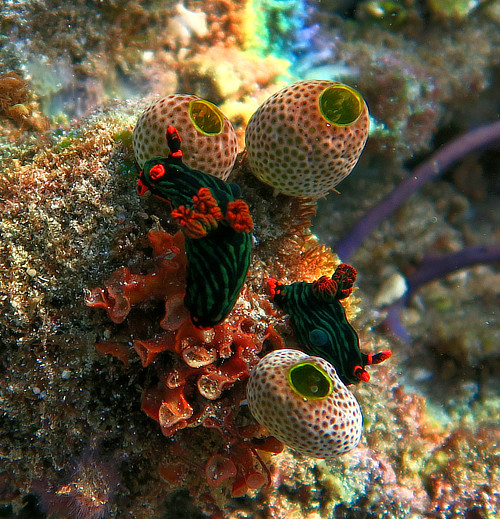
Nearly all of the snorkeling in Alor is accessed by day boat from a resort or by liveaboard. If you have knowledgeable guides, you will find colorful diverse coral reefs teeming with reef fish, along with so many unique and beautiful creatures, like, scorpionfish, nudibranchs, shrimps, lobsters, moray eels, pipefish, sea kraits, frogfish, sea horses, anemones with resident anemonefish, and so much more.

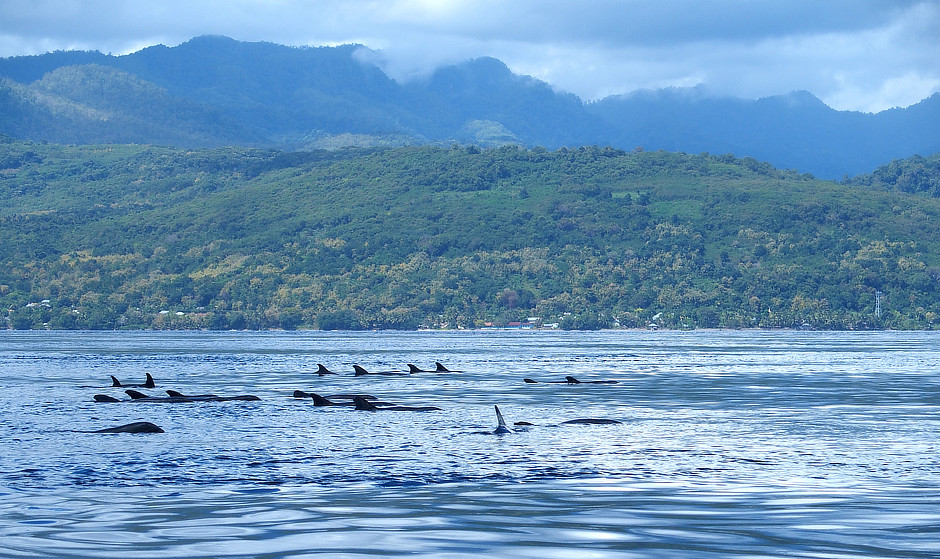
In addition to the snorkeling, there are high chances of spotting dolphins, melon-head whales, and Pygmy Blue Whales while traveling by boat to your snorkel spot. There is also the chance to swim with the bizarre Mola mola or Ocean Sunfish, which come up to the surface on the cold upwellings.
Watch Our Alor Snorkeling Video
Check out the video below. It will give you a good sense for the quantities of fish and other creatures in Alor, as well as the vibrant colors of all the different corals.
Where Is Alor?
Alor is in the East Nusa Tenggara Province in southern Indonesia. The island of Alor is where you will likely base yourself or begin your trip. The snorkeling is around the islands of Alor, Pantar, Pura, and Ternate.
The Alor Archipelago is within the Coral Triangle, which is the most bio-diverse marine environment on Earth.
How Did We Access Alor Snorkeling?
For both of our visits we joined Alor snorkeling trips organized by our friend and trips partner. Both times we stayed at the Alami Alor Resort in Kalabahi Bay on Alor. We took boat trips everyday to snorkel the reefs.
Our partner now offers liveaboard options that visit the area too (find links below).
What Alor Snorkeling Is Like

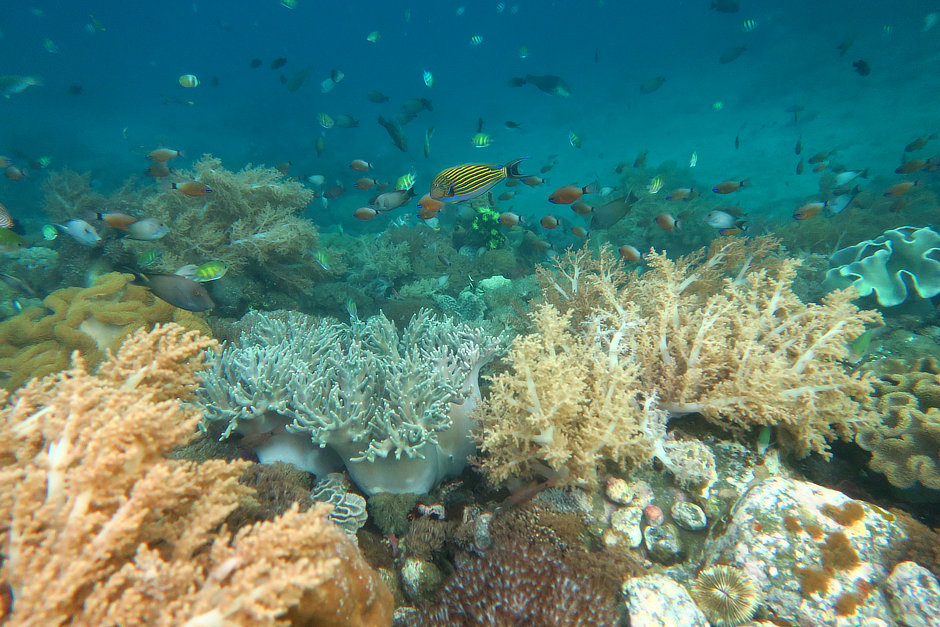
Alor is an outstanding snorkeling destination. The reefs are incredibly healthy and dense with life. You can snorkel amazing walls inside clouds of red anthias. There are shallow reefs where it is easy to get close to corals and creatures. There are sloping reefs dotted with big coral bommies and drop-offs so full of fish that it is mind-blowing. There is a jetty with pilings covered in the most amazing array of corals and sponges, offering tiny worlds to explore close-up. There is also black sand that is known to attract some of the most amazing critters around, also known as muck snorkeling.
We were always the only snorkelers at a snorkel spot, but we saw other dive and snorkel boats, and maybe a liveaboard, around.
Sometimes the reef looked like it was not even an underwater ecosystem, but was instead some grassy fields next to a forest. For example the picture below could be a snake in the woods, instead of a sea snake underwater. We saw many Banded Sea Kraits in Alor.

Not far away the reef would be completely different, with amazing colors.

In some Alor snorkeling areas soft corals were plentiful, and in others hard corals dominated.

In terms of fish life, there was a lot. There were so many small reef fish that at times they obscured the reef. It was actually a comical problem when trying to take pictures of the corals. Those huge schools of many different species of anthias and damselfish were a real treat to see. Alor is simply littered with scorpionfish, and the snorkel guides are experts at spotting these masters of camouflage.


Alor is most known for its proliferation of reef fish of all types. But out in the blue you can see larger fish like the comical Long-jawed Mackerel (picture below), Bluefin Trevally, barracuda, and Bumphead Parrotfish. We also spotted some Black-tip Reef Sharks sheltering up in the shallows, along with a Spotted Eagle Ray, which was a rare sighting.
We saw unique schooling fish at many spots, like the Razorfish pictured at right. Schools of Striped Eel Catfish and juvenile Convict Blennies were common and very fun to watch as they swarmed around reefs.
There are numerous species of the beautiful lionfish, to see on these reefs. No worries, though, they are native here.
There is another unique large fish you may get to encounter. The Mola mola, or Ocean Sunfish, comes up on cold water upwellings during the full and new moons. So, out in between all the islands, you will sometimes spend some time in the boat looking for them. We swam with one on both of our visits to Alor.

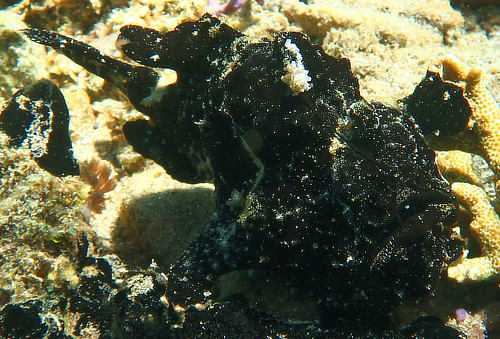
We were lucky enough to see several frogfish in Alor. The two below were actually the same species, surprisingly, Painted Frogfish.

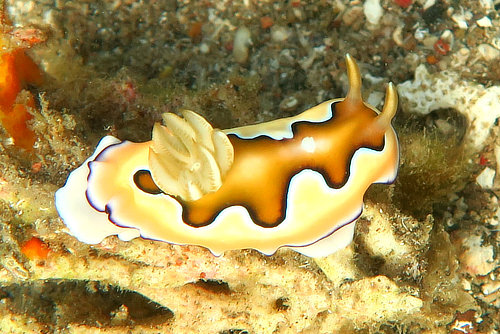
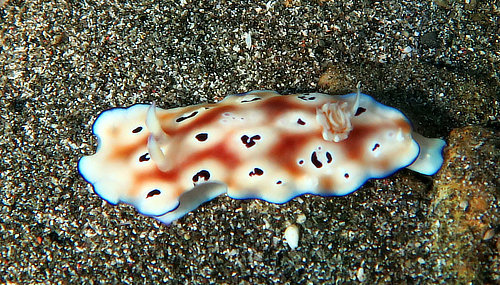
Alor snorkeling offers many chances to see a wide variety of nudibranchs, both small and large. The two nudibranchs below were around two inches long. We also saw a Spanish Dancer Nudibranch that was about a foot long and a Carbunculous Nudibranch that was about 16 inches long.
Snorkeling Alami Alor’s House Reef
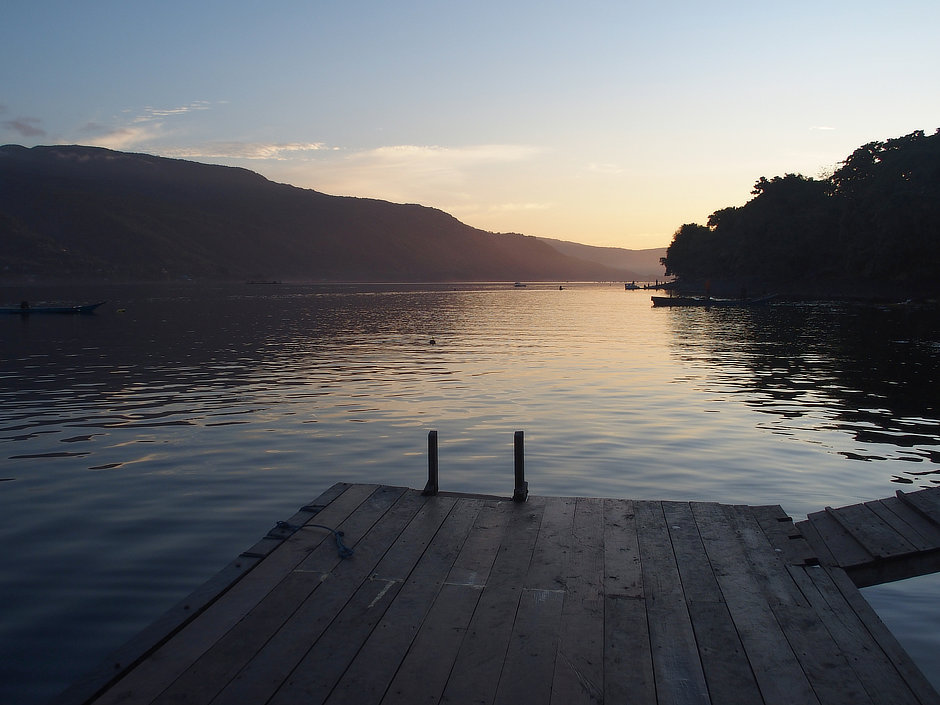
The house reef at Alami Alor is easily accessed from the end of the jetty. It is nice and shallow for snorkeling.
One of the highlights are the resident Mandarinfish. These tiny but beautiful fish are exciting to spot and challenging to photograph. You can regularly spot nudibranchs. Especially in the early morning the reef is absolutely teeming with fish, like the school of Silver Moony under the jetty, a massive school of Scads swimming back and forth along the shoreline, lots of reef fish and cardinalfish, Bluefin Trevally hunting in packs, schools of rabbitfish and snapper, some baby Black-tip Reef Sharks, and Blue Spotted Ribbontail Rays.


We did a night snorkel on the Alami Alor house reef and it was easily the best one we have ever done. There was so much sea life! Night snorkels are often quite boring with only a few sightings of anything interesting. This one had so much to see it was almost like a daytime snorkel. It certainly helped to have a wonderful guide with us in the water for finding interesting things.
Alor Snorkeling – Currents Are Strong

A big surprise to us, that really defines Alor snorkeling, is that the islands have big tidal ranges, and with that comes strong currents, the type you could not swim against if you timed things incorrectly. All of that water flushing through the reefs, combined with cooler ocean upwellings, has created the perfect environment for healthy coral life, that is hopefully very resistant to coral bleaching in the future.
Because of the currents, we think Alor snorkeling should only be attempted with an experienced guide. They know when the tides change, and can have you either safely snorkeling when the water is calm, or as often happened with us, you will do a drift snorkel, where you ride the current along a reef, and get picked up by your boat on the other end.
Sometimes drift snorkeling can be slightly frustrating, because you are not able to hang out and look at things in detail, or get a good picture. But if you are prepared for it, and get in the mindset of enjoying the bigger picture of what you are seeing, drift snorkeling can be a joy, and downright fun at times if you are really flying along.

Alor Water Temperatures Attract Unique Fish

Alor is unique in that it has big upwellings of colder water from deep in the ocean that come to the surface in some areas. That is the rare condition that brings Mola Mola and other unique creatures to the surface. It also means that at times Alor snorkeling water temperatures can be drastically lower.
So having a 2-3mm wetsuit for some snorkel spots is important if you will be in the water for very long. We needed our wetsuits a couple of times, and the rest of the time the water was warm enough.
Alor Snorkeling – How to Do It and Where to Stay

We joined an Alor snorkeling group trips organized by our trips partner Ben out of the U.K., and stayed at the Alami Alor Resort. This resort is small, with eight well-appointed, and air-conditioned waterfront cottages with open air bathrooms. It is intimate and quite remote. There is a building that is the common area with WiFi, sofas, and a communal dining table where lunch and dinner are served family style. Breakfast is served to order. The service and food are excellent.
The owners Max (from the U.K.), and Lauren (from Oregon in the U.S.) are essentially pioneers in this area, building their small resort by hand.

Maybe most important, the guides at Alami Alor have extensive experience with all the reefs for snorkeling in the area and the timing of the currents during different lunar cycles. That is very important for safe Alor snorkeling.
Our trips partner is now offering liveaboard options in Alor and they have knowledge of the local tides and currents too.

You can sign up for our newsletter to find out when new trips are announced. Here is a list of the group trips our partner Ben is offering that visit Alor:
- Alami Alor Resort
- Alor and Misool
- West Komodo and Alor
- Alor West Komodo and Raja Ampat
- Alor and Komodo Liveaboard
- Komodo and Alor Liveaboard
- Raja Ampat, Banda Sea and Alor Liveaboard
Foggy Masks, Fin Blisters and Angry Snorkels!
Poorly fitting, cheap gear, can ruin your trip. See our snorkeling equipment reviews and fitting suggestions to make sure your next trip is great.
Traveling and Culture in Alor
Tourism is still quite new to Alor. But, since our first visit, there is a larger airport and more accommodation and liveaboard options for visiting the area.
Alor’s small villages along the shores gave the impression that they are essentially the same as they have been for hundreds of years, with a few modern amenities (young folks glued to their cell phones). The islands in Alor have a mix of religions. 75 percent of the population are Protestants, with the majority of the remainder being Muslim, and a few villages of Roman Catholics.
But according to a local guide who gave a talk to our group the island is very peaceful, with no strife between groups. We were there during the Muslim month of Ramadan, and the sounds of morning prayers coming across the water, and other festivities were interesting to experience.


Most of the populous lives simply, in dirt floor huts and metal roofs. Clear lines of gender roles still seem dominant. Fishing in small outrigger canoes is common for men, as is subsistence agriculture, and the women of the area are known for their high quality ikat weavings, which are available for purchase if you ask. The local populous are very kind people. There are cars on the island, and if a family has motor transportation the majority use little motor bikes or scooters, with sometimes the entire family on it. The roads are narrow, and traffic lanes seem only a vague suggestion.
The vast majority of motor boats on the water are still made of wood, and are very long and skinny, with exceptionally loud, banging motors. Many fishermen still use outrigger canoes, paddled by hand, or occasionally a small motor.

Getting There

One reason Alor sees so little tourism is because flights to the island are relatively new. You can fly to Alor, from Bali or Jakarta, with a stop in Kupang, on Timor Island. Flight times and routes seem to change often. And don’t count on on-time flights in these areas, it’s island time for sure.
Our trips partner Ben uses a local agent to book these inter-island flights because the airlines will change schedules without notifying ticket holders, but the local agents will notify him of any changes.