
We had been curious about Solomon Islands snorkeling for years and we were able to visit and experience it ourselves in 2026. We found abundant sea life and really enjoyed several cultural experiences too.
The Solomon Islands are a remote country in the far western Pacific Ocean. It is challenging to get to and has somewhat limited tourist infrastructure. Geographically the islands sit in the southeastern corner of the Coral Triangle, meaning they have very high biodiversity and density of sea life.
They are made up of numerous groups of islands, with Honiara being the main city on the island of Guadalcanal. We visited four distinct areas via liveaboard.
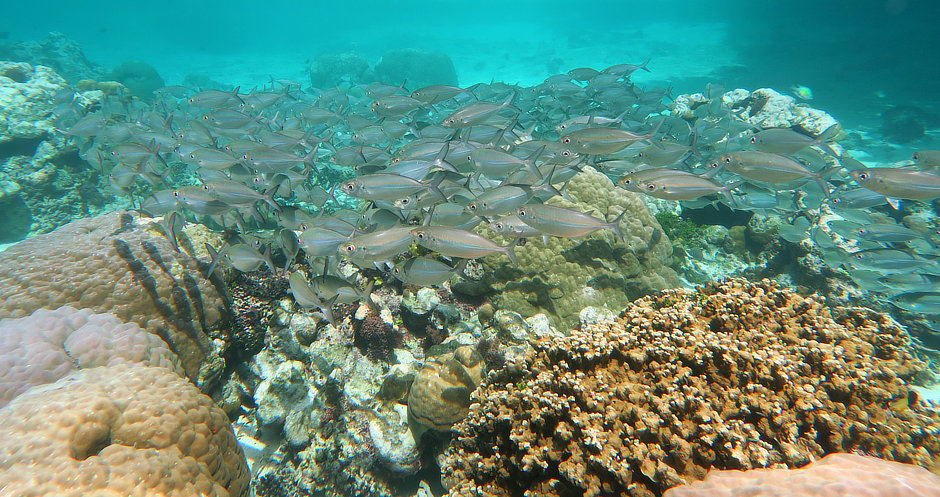
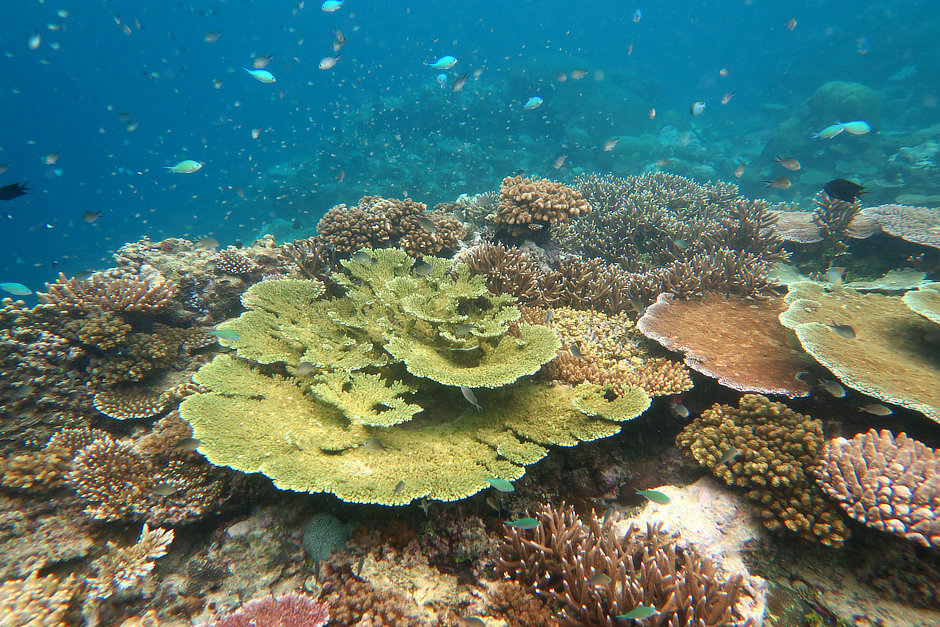
Solomon Islands snorkeling has a lot to offer. It is a good place to snorkel with lots of fish in a nice variety, including schools, reef fish and more. You can see bigger pelagic species like sharks commonly too. Many other creatures were spotted too like cephalapods, turtles, rays, giant clams, sea stars, and many nudibranchs. While the coral reefs here are not the healthiest ones we have seen, they are enjoyable, with some areas of healthy colorful hard and soft corals. And if you like to spend a lot of time in the water, Solomon Islands snorkeling offers reefs that stretch long distances allowing for long, leisurely snorkels.
Where Are the Solomon Islands?
The Solomon Islands are in the southeastern point of the Coral Triangle, off the east end of Papua New Guinea in the western Pacific.
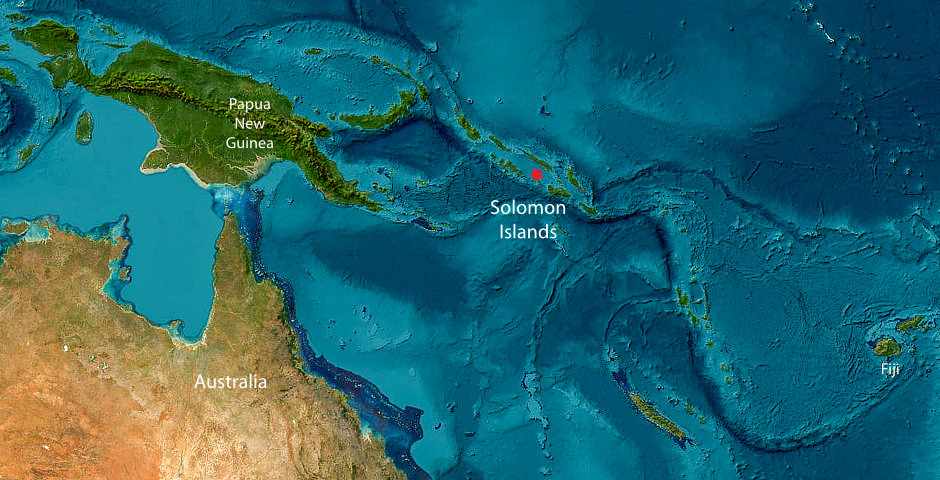
The Solomon Islands are remote. You can reach them with flights from three places, Papua New Guinea, Australia and Fiji. For most of us westerners the viable options are Australia and Fiji. We traveled through Fiji and spent a night there before flying on to Honiara in the Solomon Islands.
Where Did We Snorkel in the Solomon Islands?
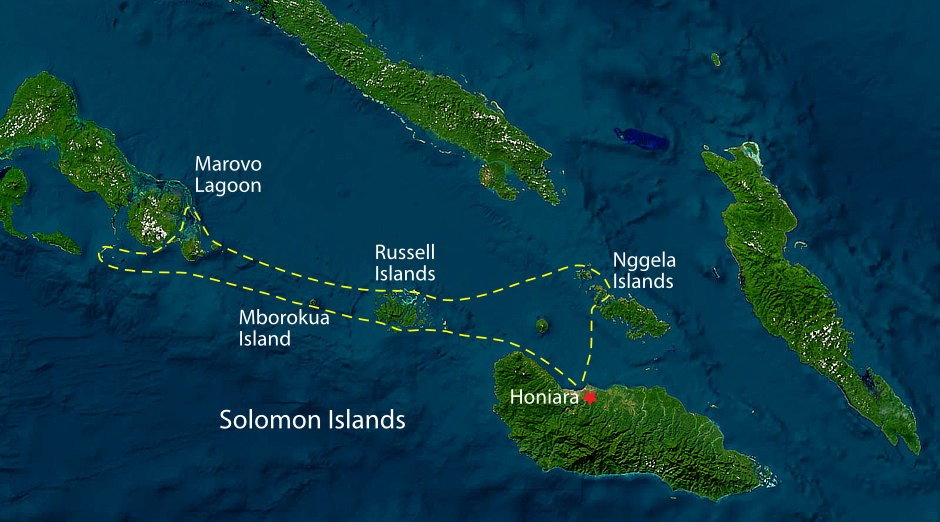
On our Solomon Islands snorkeling liveaboard journey we visited the Russell Islands, Mborokua (Mary) Island, a few islands around the southern part of the Marovo Lagoon, and the Nggela (Florida) Islands.
How Do You Reach Solomon Islands Snorkeling?
Our visit to the Solomon Islands was on a liveaboard boat that took us to three island groups a good distance from the main city of Honiara on the island of Guadalcanal. We boarded and disembarked the boat in Honiara.
We understand that there are some tourist accommodations across the islands, with a few dive resorts, some with shore snorkeling. There are some passenger ferries in the islands offering one way to travel between island groups, but we believe the primary mode of inter-island transport is by small plane. You can also access some Solomon Islands snorkeling spots by day boat tour from Honiara.
Sign up for our free monthly newsletter to get notice of more great destinations added to the site.
What Solomon Islands Snorkeling Is Like
We happened to have stellar conditions with glassy calm waters nearly the entire trip; we were there at the end of April and beginning of May. A severe cyclone (Malia) passed through only two weeks before our trip. We saw the effects of the storm on some islands and reefs. The Cyclone Season in the Solomon Islands is from November through April, so best to avoid visiting then.
It did rain a few times, but the storms came and went quickly. We had nice long Solomon Islands snorkeling sessions, up to 2.5 hours at times, and found that very enjoyable.
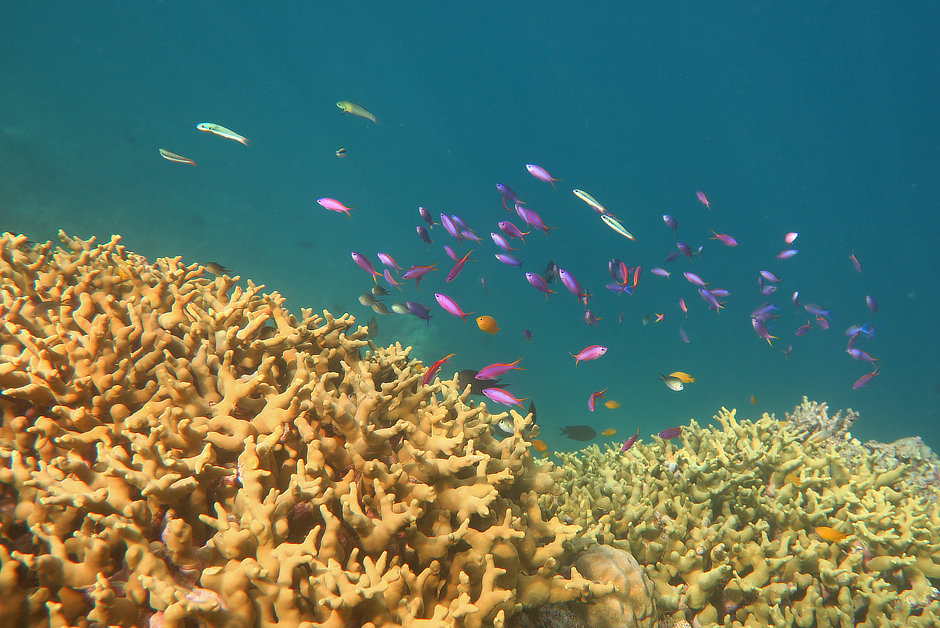
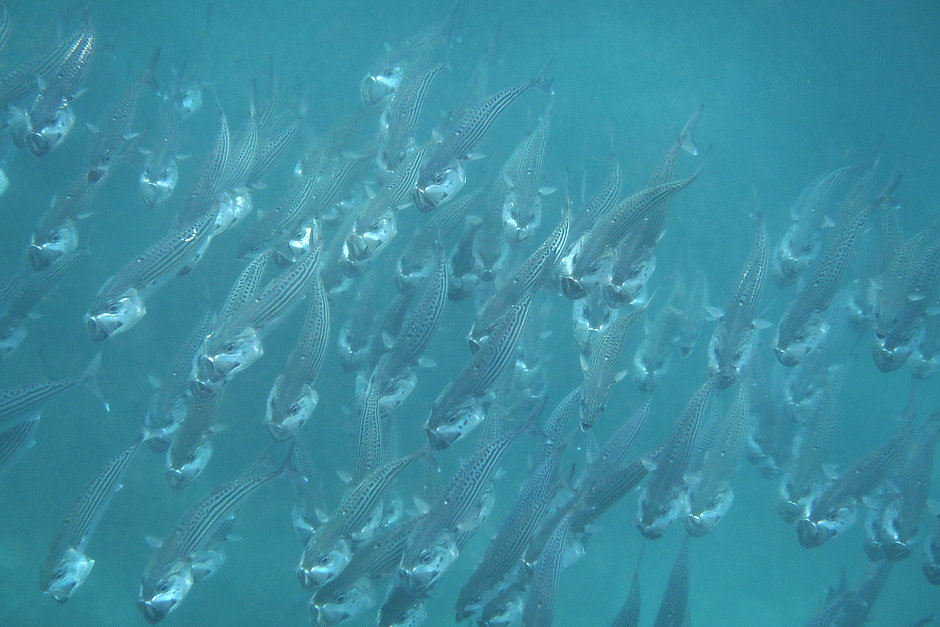
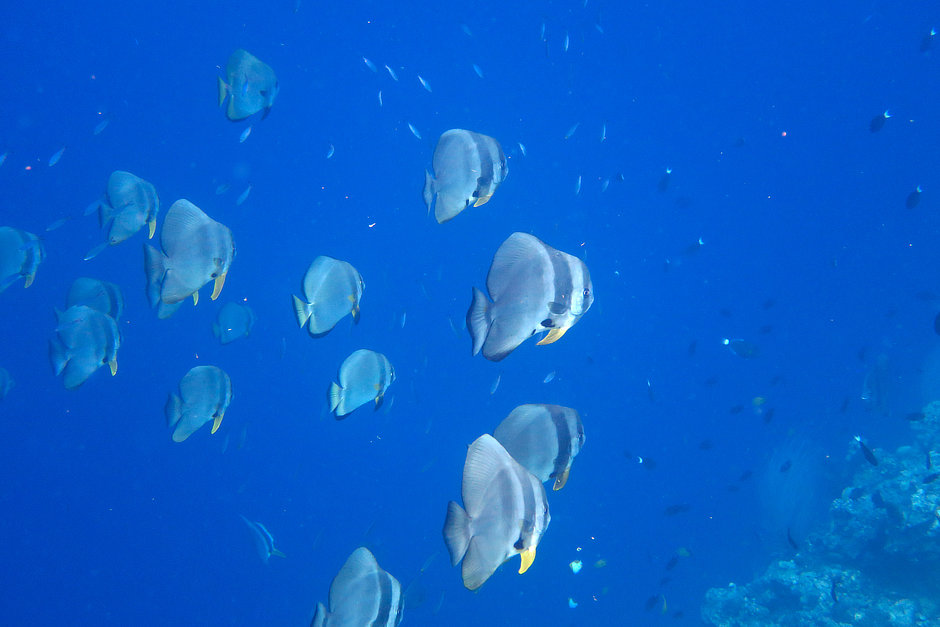
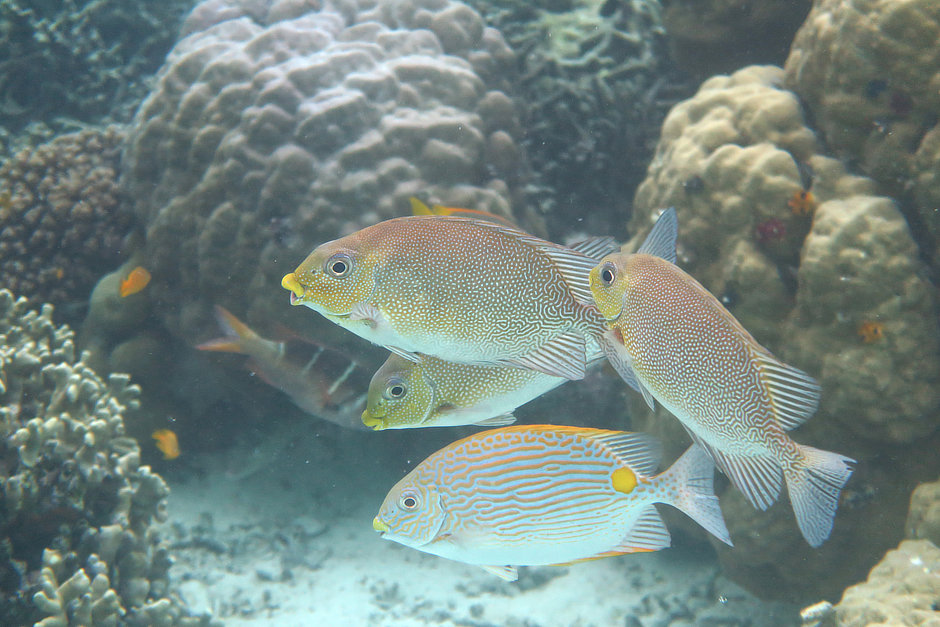
If you are a fan of swimming with lots of fish, Solomon Islands snorkeling is for you. We saw many schools of fusiliers, Pyramid Butterflyfish, Sergeant Majors, anthias (lots of purple ones!), Long-jawed Mackerel, chromis, damselfish, surgeonfish, rabbitfish, Big-eye Trevally, Oxeye Scads, Black and Midnight Snappers, Humpback Snappers, batfish, Greenthroat Parrotfish, and goatfish.
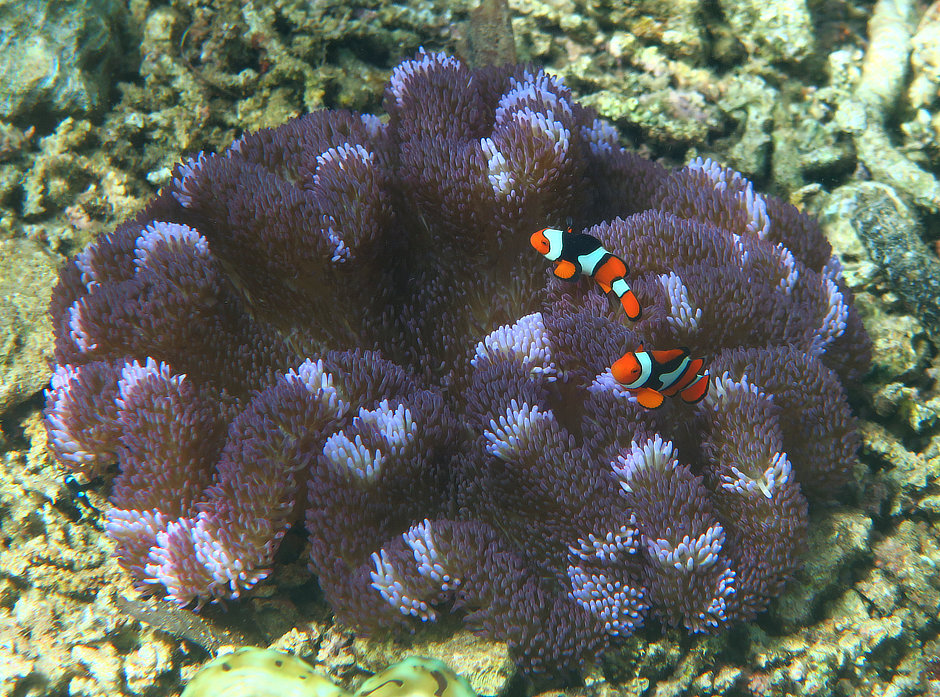
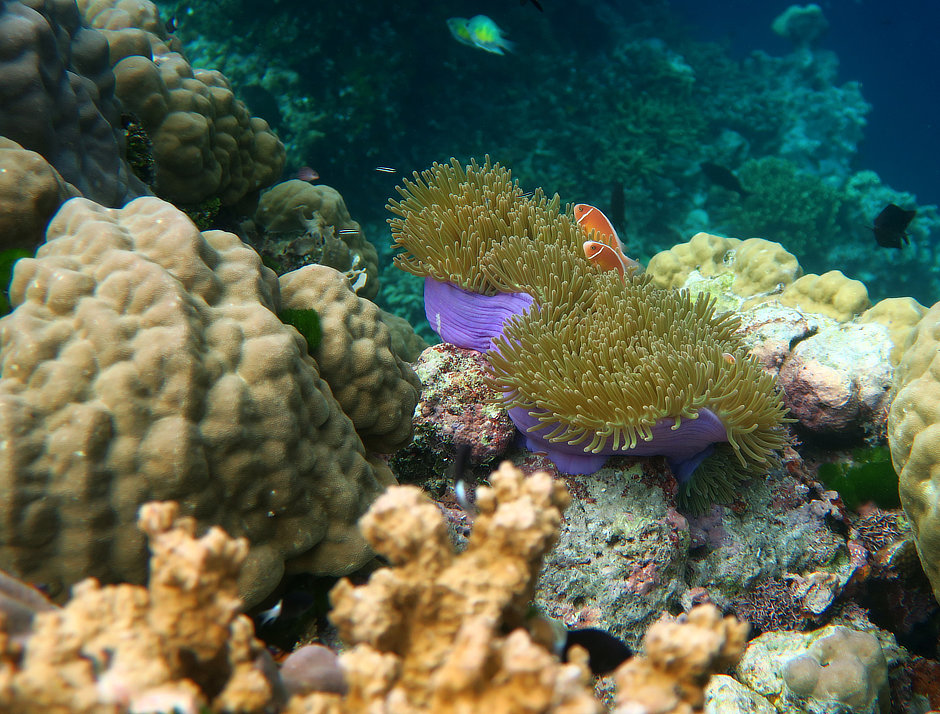
Another highlight in fish sightings was lots of anemonefish, especially in colorful Magnificent Anemones and carpet anemones. There were many Orange or True Clownfish (Amphiprion percula) and some more rare ones like the Whitebonnet Anemonefish (Amphiprion leucokranos).
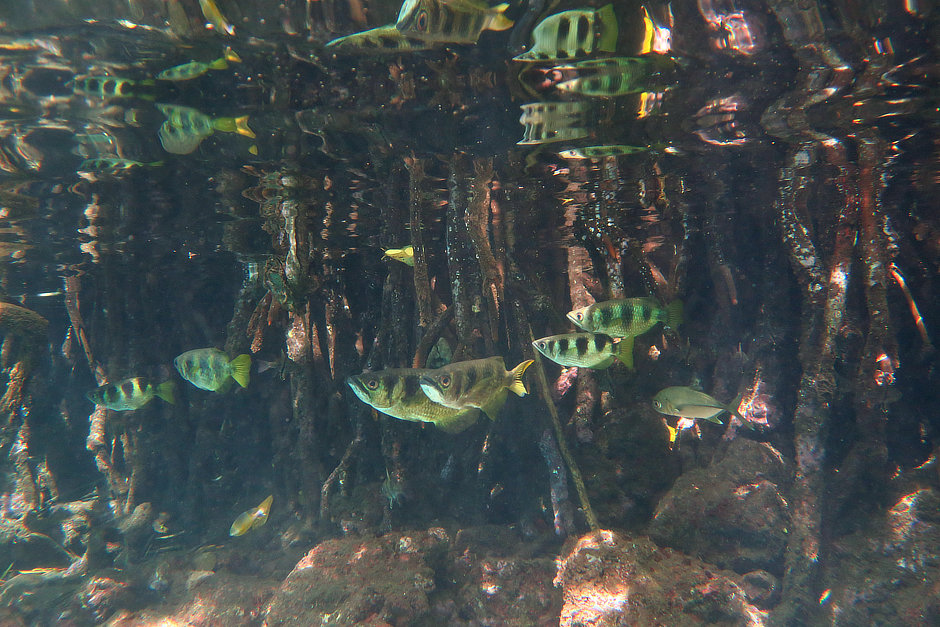
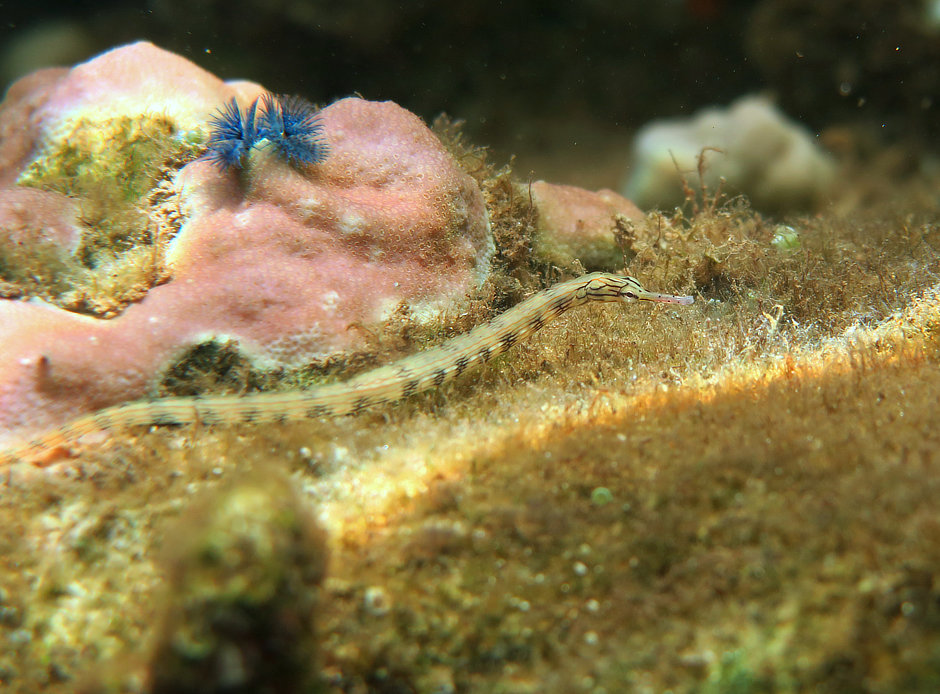
There was a former WWII base known as White Beach that served as an interesting snorkel with some mangrove and muck-like habitats. There were unique fish there including Archerfish, Orbicular and Pajama Cardinalfish, pipefish, lionfish, Devil Stinger, Signal Gobies, Crocodilefish, and Diamondfish. It was also a good spot to see nudibranchs.
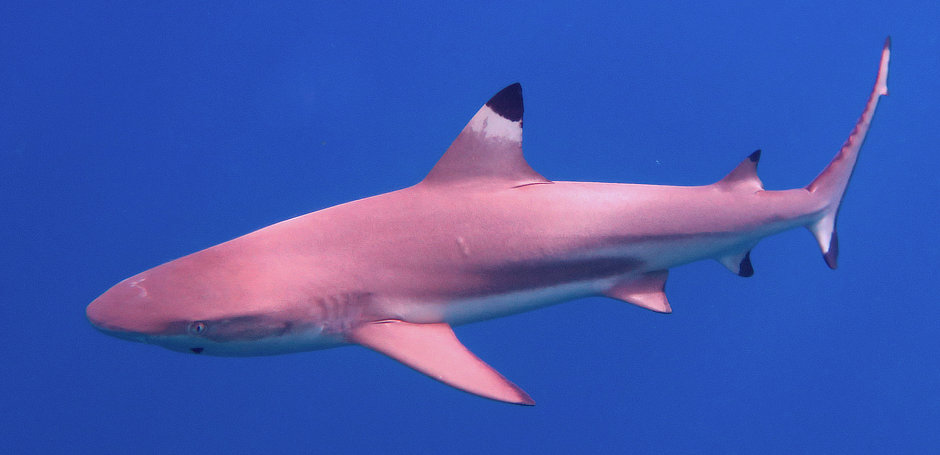
There were quite a few spots included where most of the focus was out into the blue looking for bigger pelagic species. In these places we saw Gray Reef Sharks, Black-tip Reef Sharks, White-tip Reef Sharks, two types of barracuda, and big Napoleon Wrasse. One down-side to our Solomon Islands snorkeling experience was that too many deep spots like this were included. The majority of spots we snorkeled near Marovo were of this type.
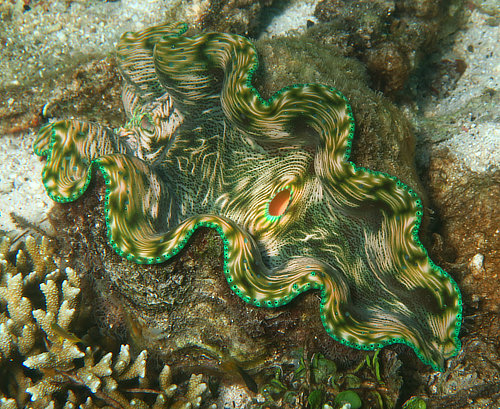
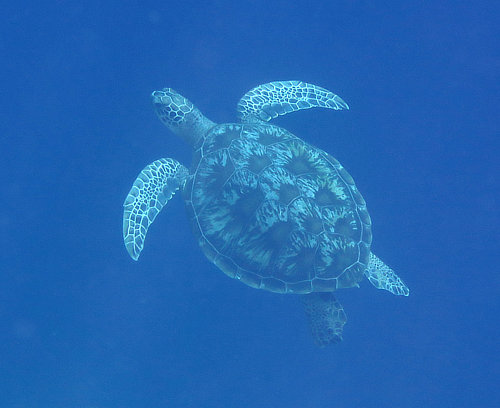
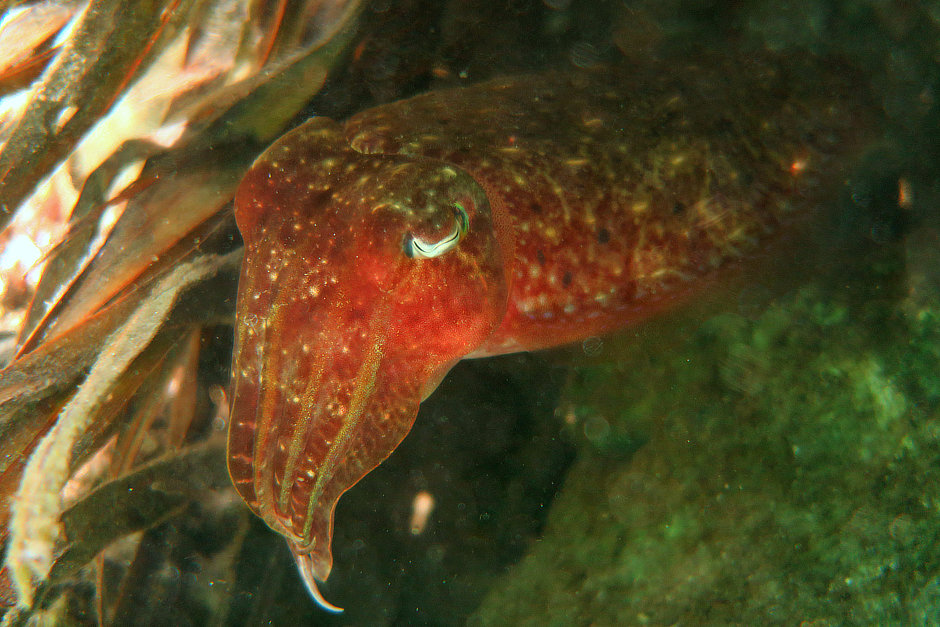
Beyond the fish we got to see a huge group of squid, octopus, cuttlefish, turtles, Spotted Eagle Ray, Yellow-lipped Sea Kraits, Giant Clams, numerous sea stars, and more nudibranchs besides the ones at White Beach.
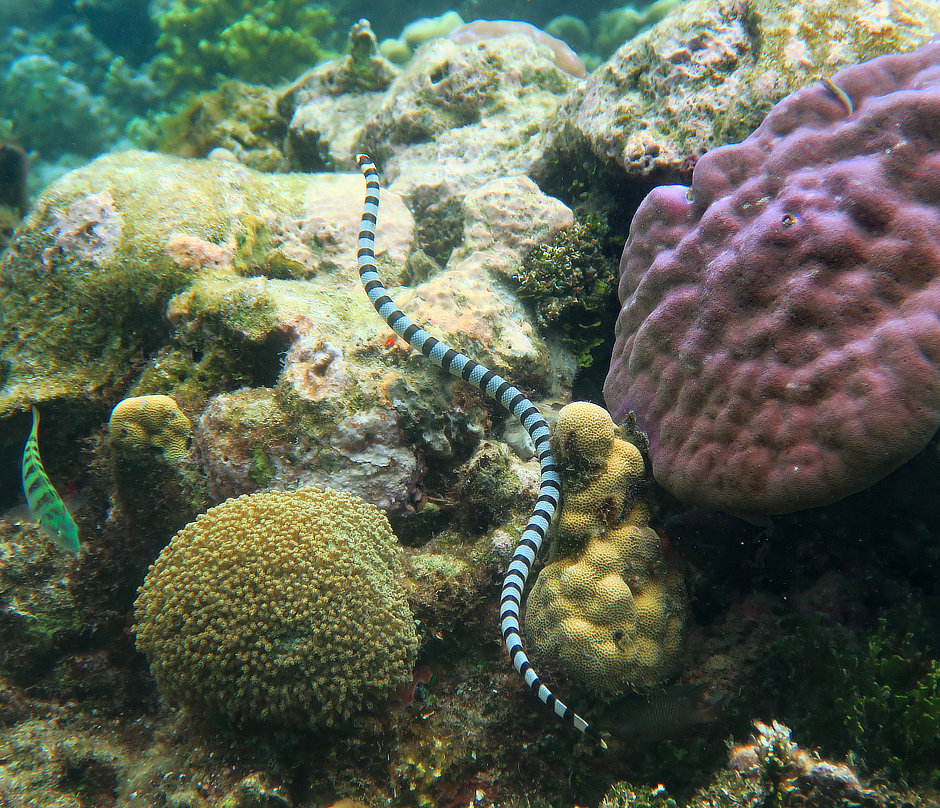
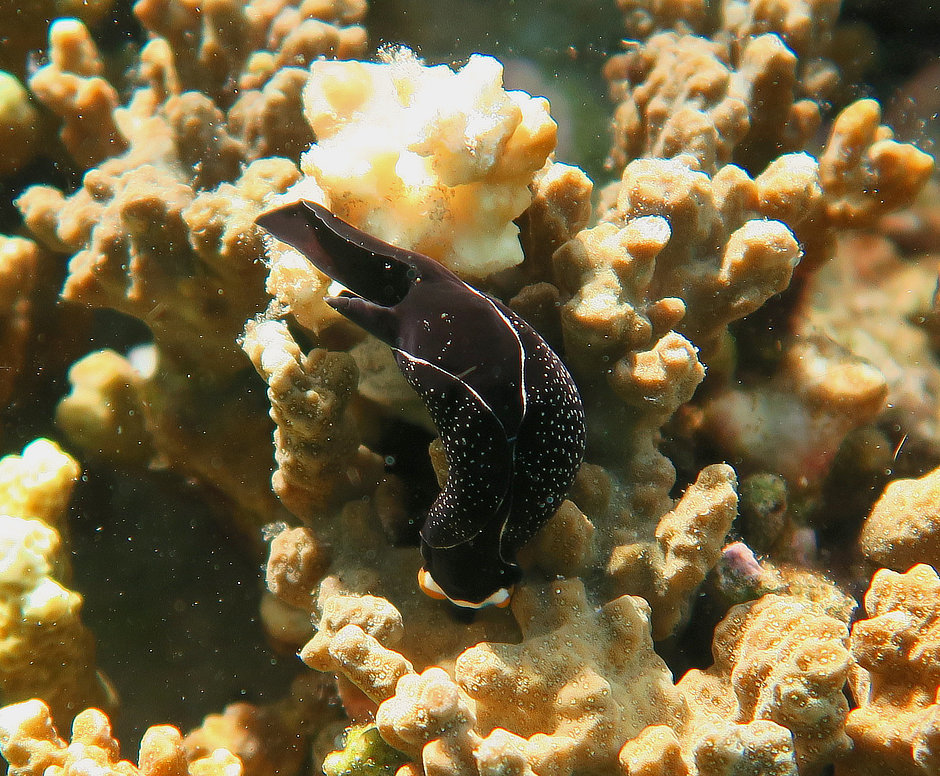
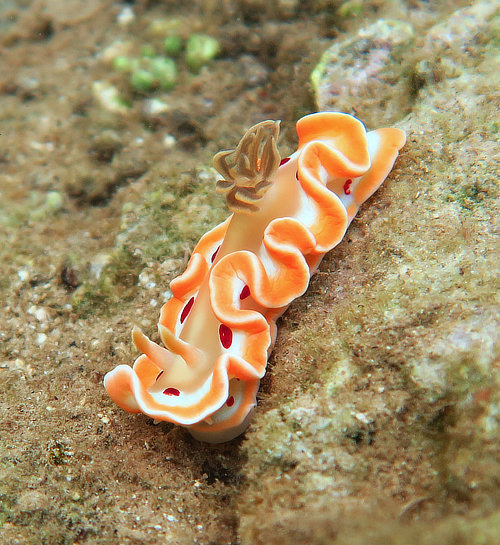
Unfortunately the shallow corals are no longer in pristine shape in the areas of the Solomon Islands we explored. The coral reefs were variable in amount of healthy coral, with most reefs showing obvious effects of the coral bleaching events in the last five years, with big areas of dead corals covered in algae or dead corals scattered throughout the reef with the healthy corals.
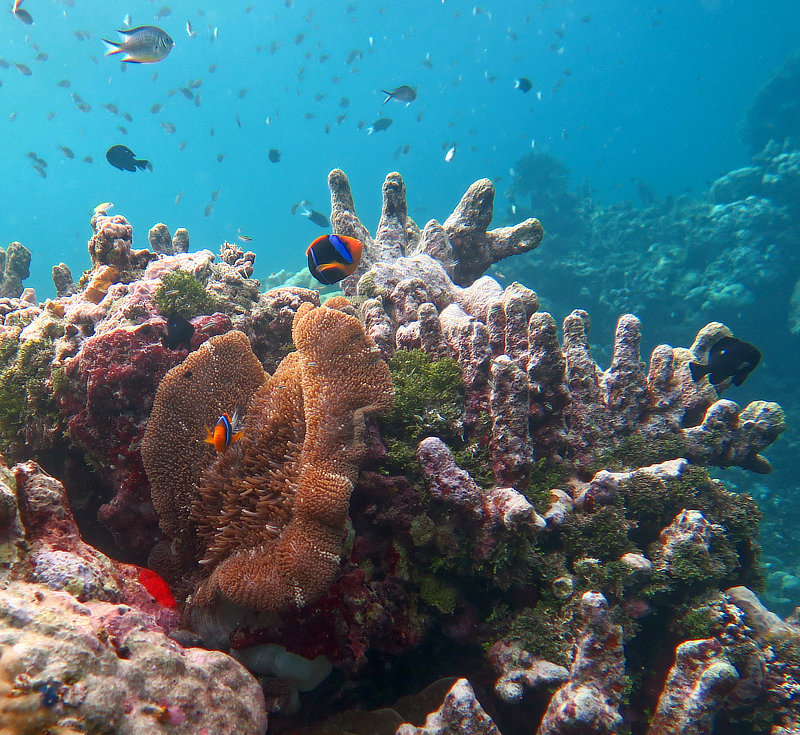
Like Raja Ampat, the waters here were always full of plankton, which lowers visibility. But it also shows the potential for recovery of these reefs if given the right conditions.
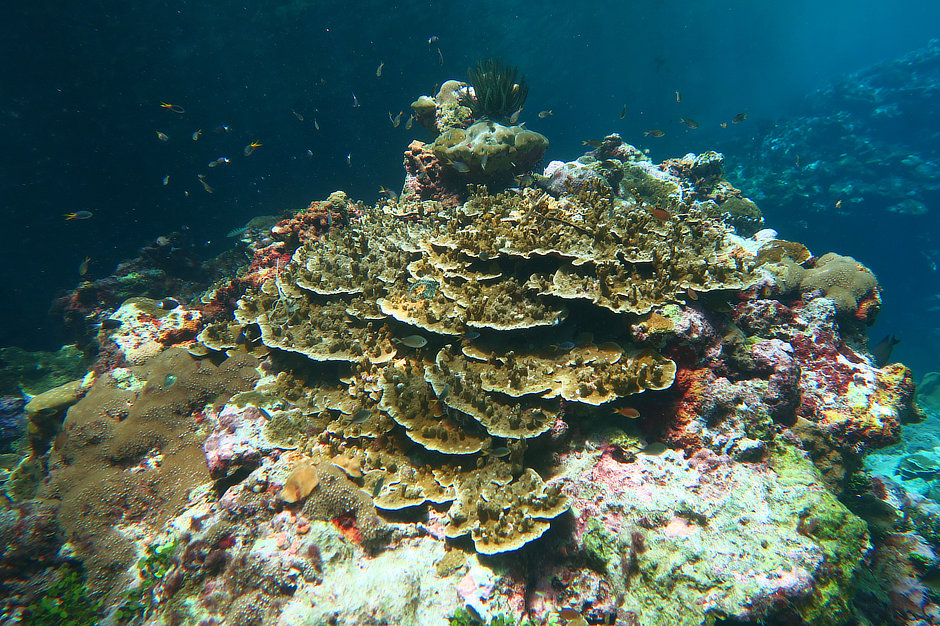
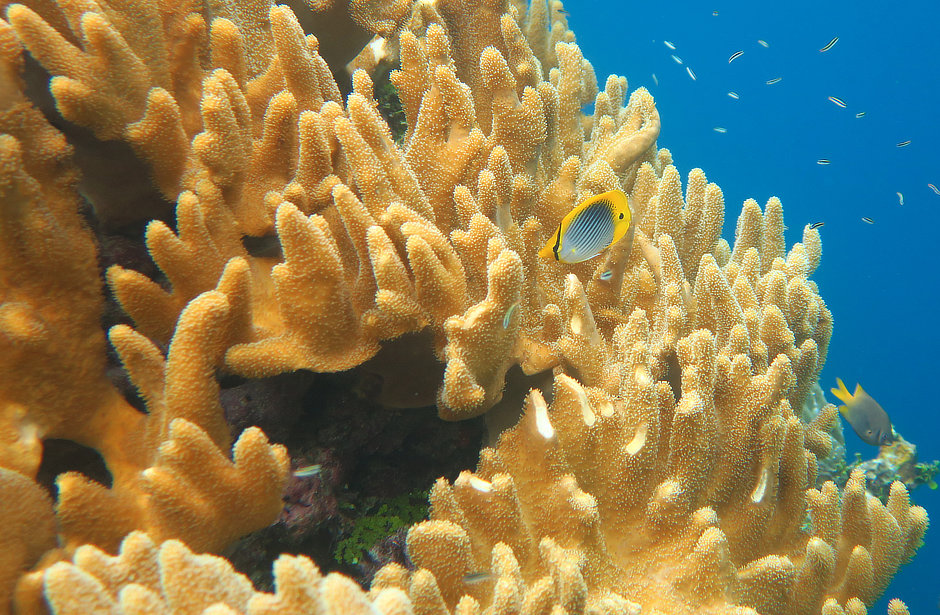
That said, we were impressed by some huge Plate and Pillar Corals we saw at numerous Solomon Islands snorkeling spots. There were some colorful and healthy boulder, finger, staghorn, and table corals. At some spots there were wonderful antler, fire, and leather corals. There was a small amount of colorful dendronephthya and large sea fan soft corals, usually in deeper water. And we noticed a number of corals that we didn’t recall seeing before.
Blurry Fish, Rotten Colors, Garbage Pictures
That does not look like what I saw! See our snorkeling camera pages for tips on selecting a good snorkeling camera, and how to use it for great pictures.
One of our favorite areas was called Maravagi in the Ngella Islands. The channel to the east of Maravagi is called Devil’s Highway for the strong currents that can move through it. These currents bring in Manta Rays to feed. We lucked out and got to snorkel with some of these gentle giants.
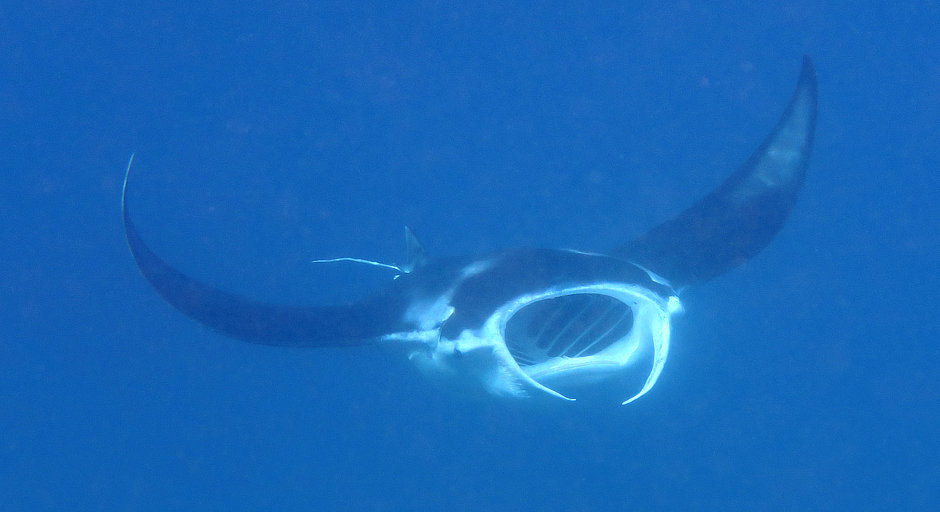
These currents also make the reefs in this area full of life. We had two snorkels, Maravagi South and Maravagi Bay that stood out for their diversity and abundance of life.
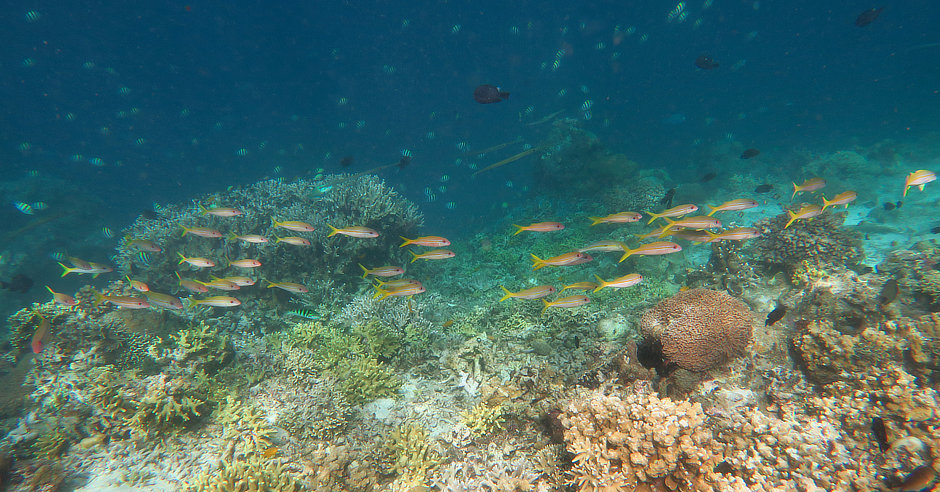
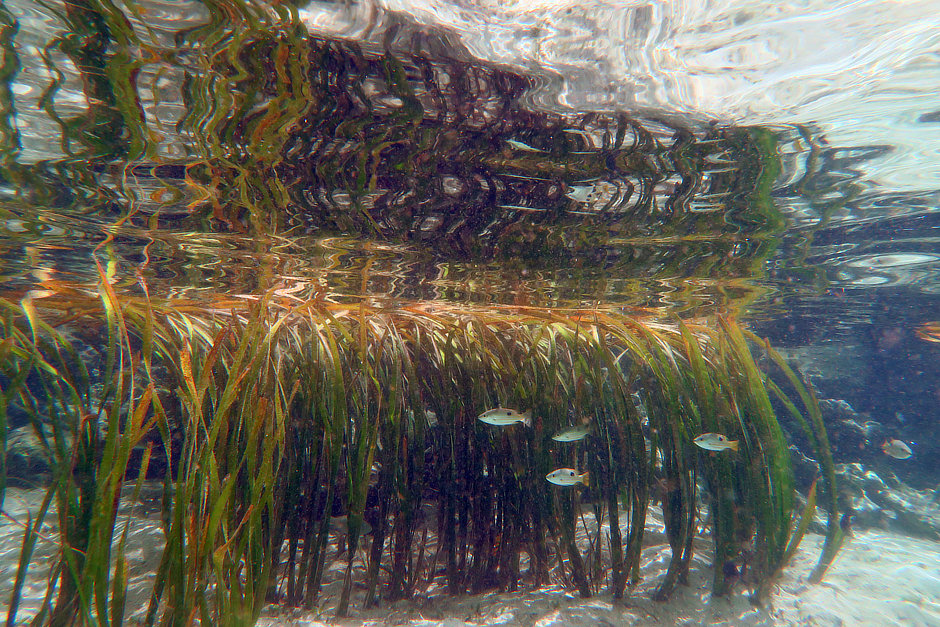
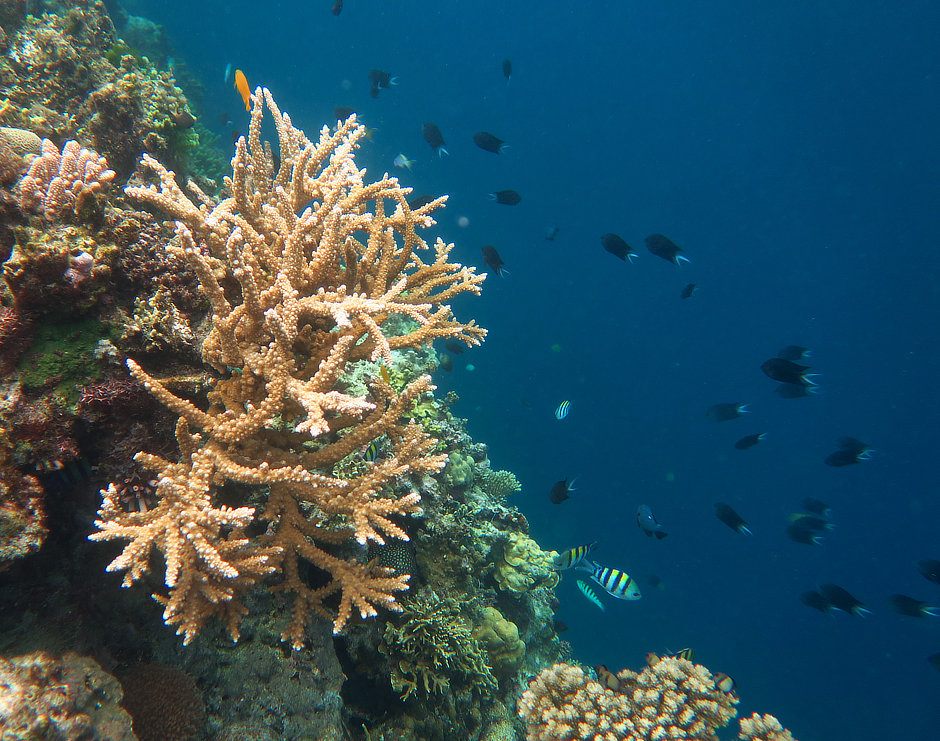
The snorkeling around Karumolun in the Russell Islands was some of the best on the trip. The chief there protects his reef and it shows. There were so many fish, great corals, and interesting and diverse topography to explore.
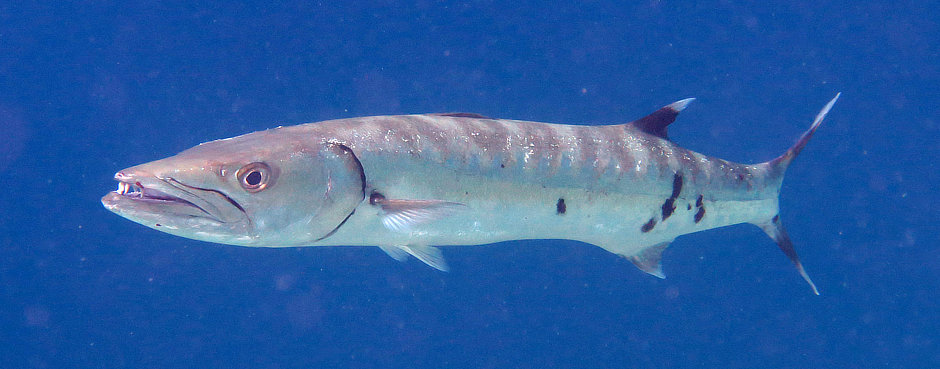
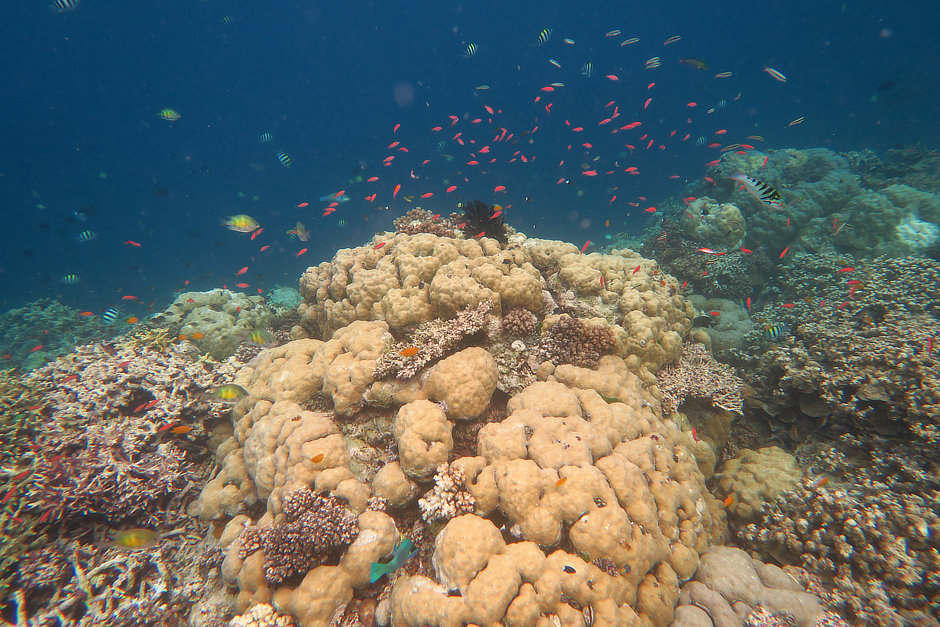
Comparing it to other places we have snorkeled, since the Solomons Islands are at the edge of the Pacific Ocean, the reefs have many similarities to Palau. We also found ourselves likening it to Bunaken in Indonesia.
How to Snorkel the Solomon Islands
As we mentioned, the Solomon Islands are remote and offer a limited amount of tourist infrastructure. There are a few dive resorts which could be an option, though we don’t have experience with these. We don’t know how they treat snorkelers, which is the main concern. So, if you go this route, do your research.
Our trips partner chartered one of the two liveaboards there for our Solomon Islands snorkeling trip. We were on the Bilikiki, which has been operating in the Solomon Islands since the late 1980’s. It is not the prettiest or most sophisticated boat, but it serves as an efficient and well-run base for snorkeling the Solomon Islands. The cruise directors and crew were experienced and great hosts and the food was good and abundant. Each cabin has an en-suite bathroom, central air-conditioning, an oscillating fan, and enough space for your stuff.
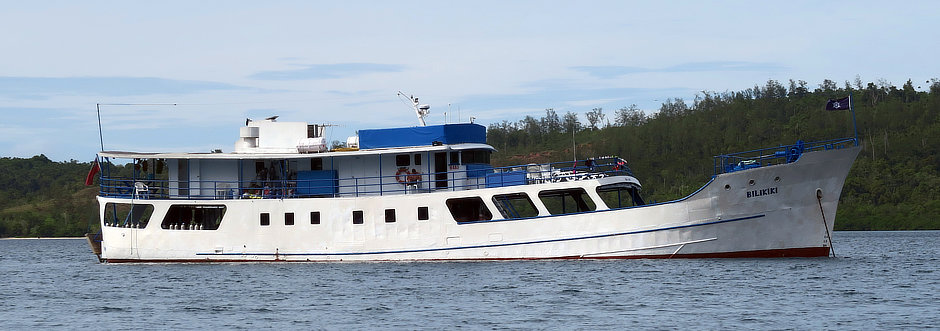
We do not recommend joining a liveaboard full of divers as the priority will be placed on diving and you will likely lose out on snorkeling some great spots. We highly recommend joining a charter exclusively for snorkelers.
Our trips partner is offering this trip again in 2028. We recommend it and you can read all about it here.
Cultural Activities
The cultural activities offered on this trip really made the trip for us. We had two village visits. One in the Marovo Lagoon was a visit for the carvings market. It is a local tradition that locals sell wood carvings that you can take home as the ultimate souvenirs.
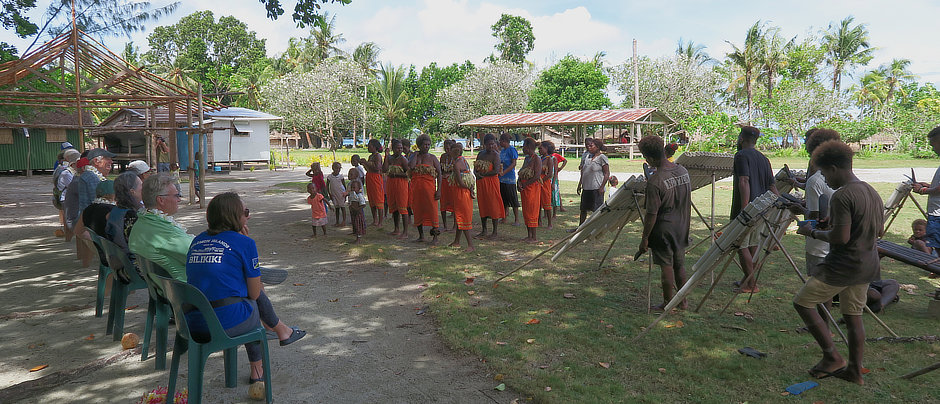
The other was at Karumolun Island in the Russell Islands. The village residents chanted or sang, danced, and played pan-pipe music for us, first the men, then the women. They were traditional performances with warrior and history of slavery themes.
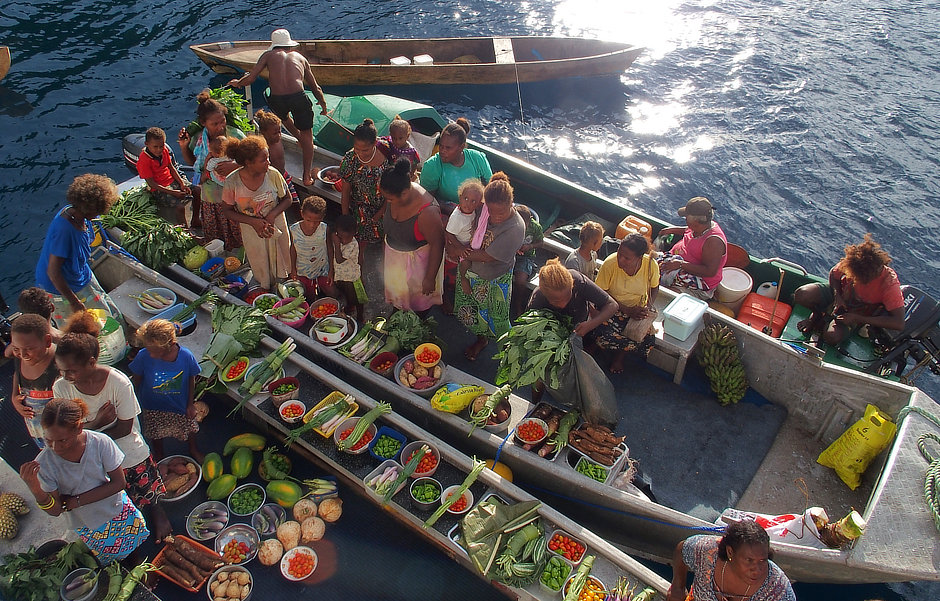
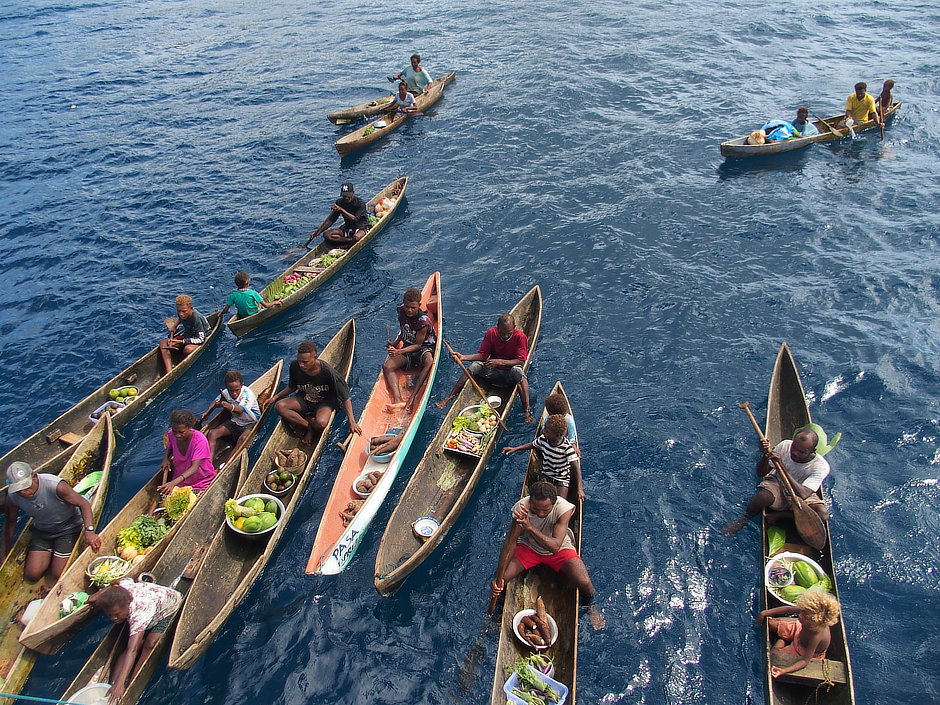
In addition to the village visits, we were visited on the liveaboard by locals paddling out in their dugout canoes to sell their produce, creating beautiful floating markets.