
Banda Sea snorkeling is some of the most remote we have done in Indonesia. Visiting this area of the world usually requires traveling on a liveaboard boat from which you can snorkel gorgeous reefs around a number of different islands. Being in the renowned Coral Triangle there is high diversity and numbers of corals, fish and reef creatures.
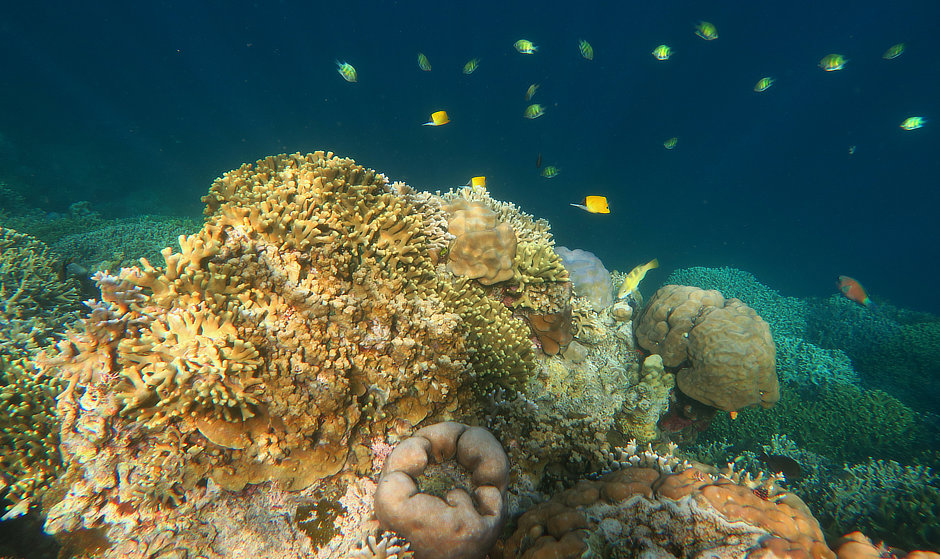
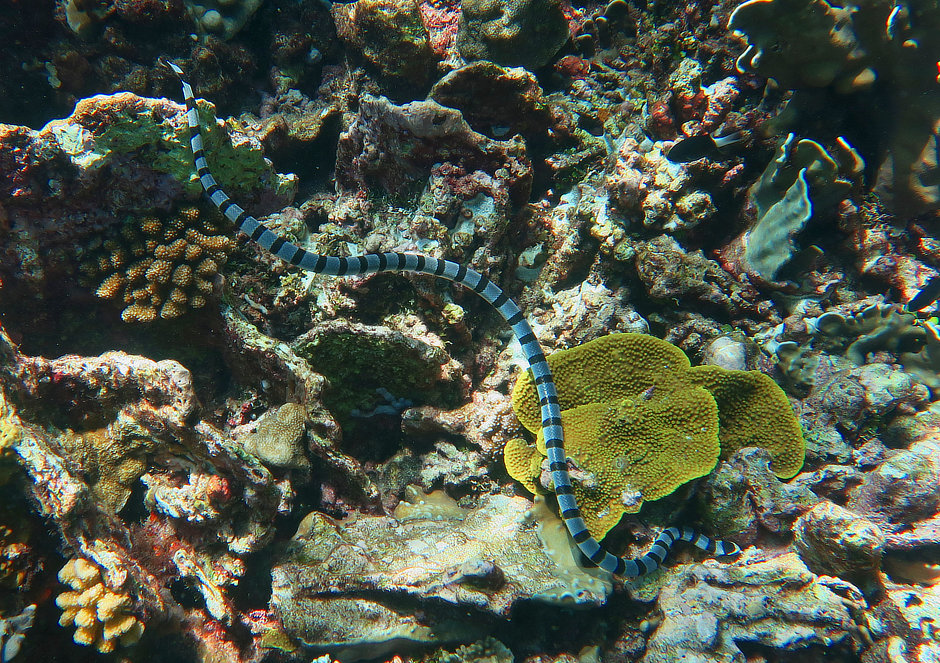
Banda Sea Snorkeling offers the opportunity to see a vast variety of sea life including vibrant hard and soft coral reefs, colorful reef fish, large fish and sharks, sea turtles, huge schools of fish over the reef drop-offs, interesting critters, unique sea snakes—technically kraits, and so much more.
Where Is the Banda Sea?
The Banda Sea is located in south-central Indonesia. There are several possible starting and stopping points for Banda Sea snorkeling by liveaboard.
Our trip started in Saumlaki, in the southeast part of the sea, and ended up in Sorong, West Papua—after snorkeling in Misool Raja Ampat too. Trips can start or end in Maumere, Flores Island—usually snorkeling Alor as well, Ambon in the north part of the Banda Sea, and Kaimana—after also snorkeling in Triton Bay. There are specific times of year when the Banda Sea is calm enough for comfortable travel through the area on a boat and that is when the liveaboards schedule these itineraries, usually in April, September, October and November.
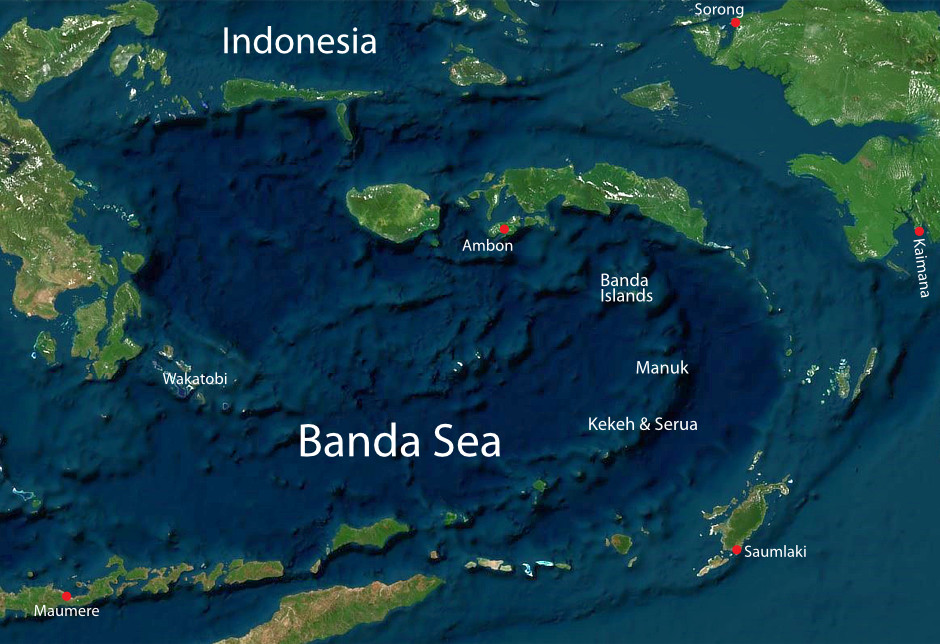
The islands of Wakatobi are on the western edge of the Banda Sea, but they are covered separately on the page linked to above. This Banda Sea snorkeling page will cover snorkeling in the Banda Islands in the northeast and the Forgotten Islands south of the Bandas on the eastern side of the Banda Sea.
When we visit new snorkeling destinations we share a trip report in our free monthly newsletter, which you can sign up to receive here.
Snorkeling the Banda Islands
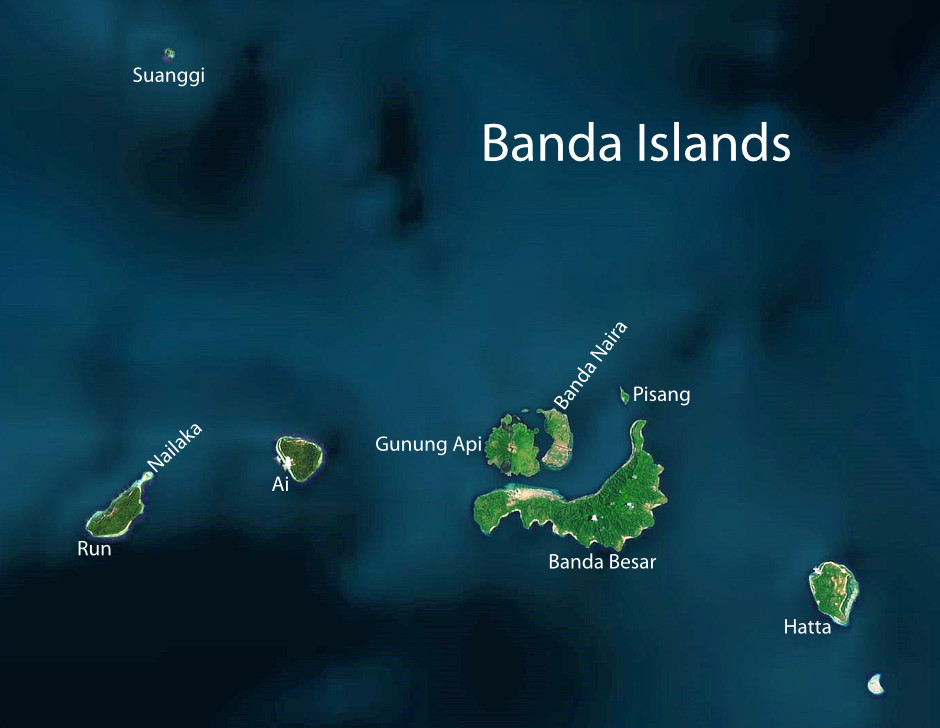
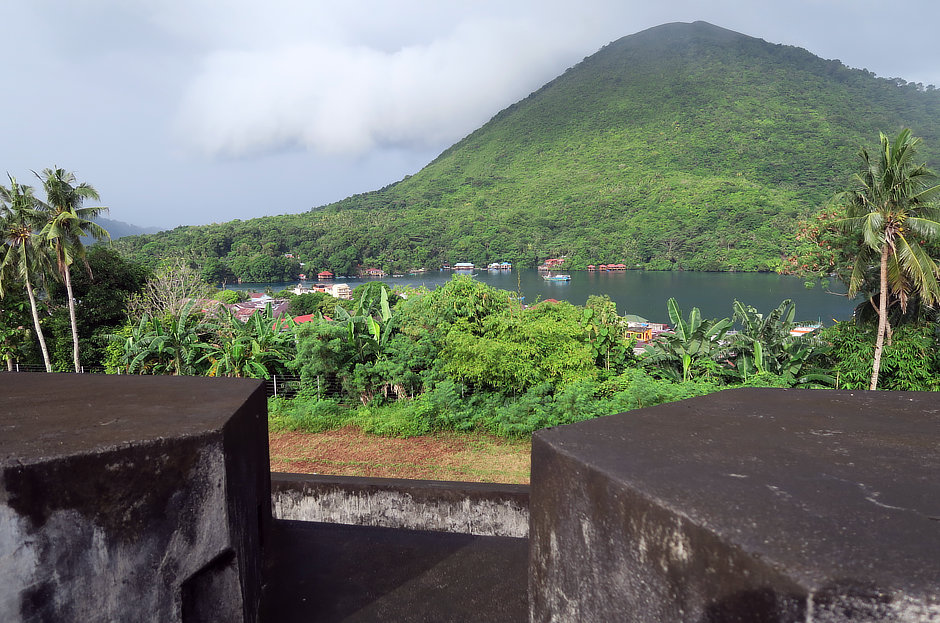
The Bandas are a group of 10 volcanic islands with a rich history and are the heart of Banda Sea snorkeling. They are about 85 miles south of the large island of Maluku. These islands are famous as the first of the spice islands. Nutmeg and cinnamon trees are native here. The Dutch built a large fort in Banda Naira, which still stands today.
The snorkeling in the Banda Islands was fantastic. We snorkeled around six different islands including Gunung Api, Nailaka, Ai, Suanggi, Banda Besar, and Pisang. The reefs here fringe around the islands, offering nice shallow areas for snorkelers to enjoy.
What We Saw Snorkeling Gunung Api
Gunung Api is an active volcano island next to Banda Naira, the main town in this island group. It erupted in 1988 and the lava flow went down the side of the mountain and into the water destroying the coral reef. Since that time, the reef has come back and was a joy to explore.
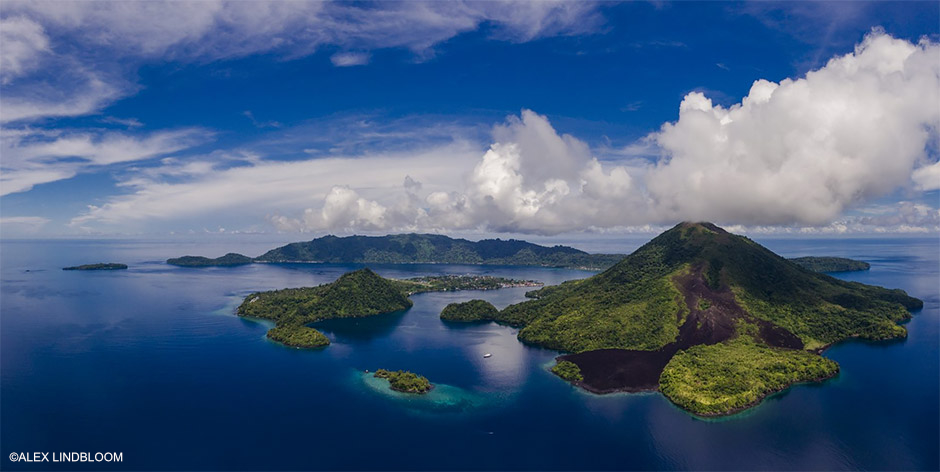
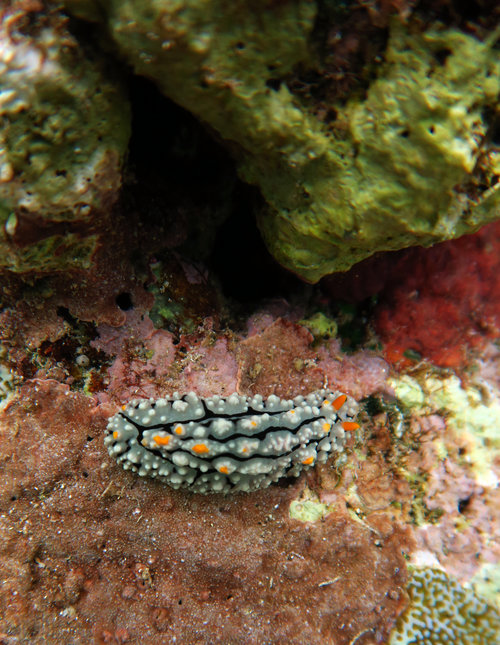
The spot is called Lava Flow and it was a nice shallow reef with lots of yellow finger coral, lettuce coral, and soft corals. Fish and creature highlights were anemonefish, squid, moray eels, butterflyfish, christmas tree worms, leaf scorpionfish, Solor Boxfish, Many-banded Angelfish, and a beautiful flatworm. This is Banda Sea snorkeling at its best.
What We Saw Snorkeling Nailaka
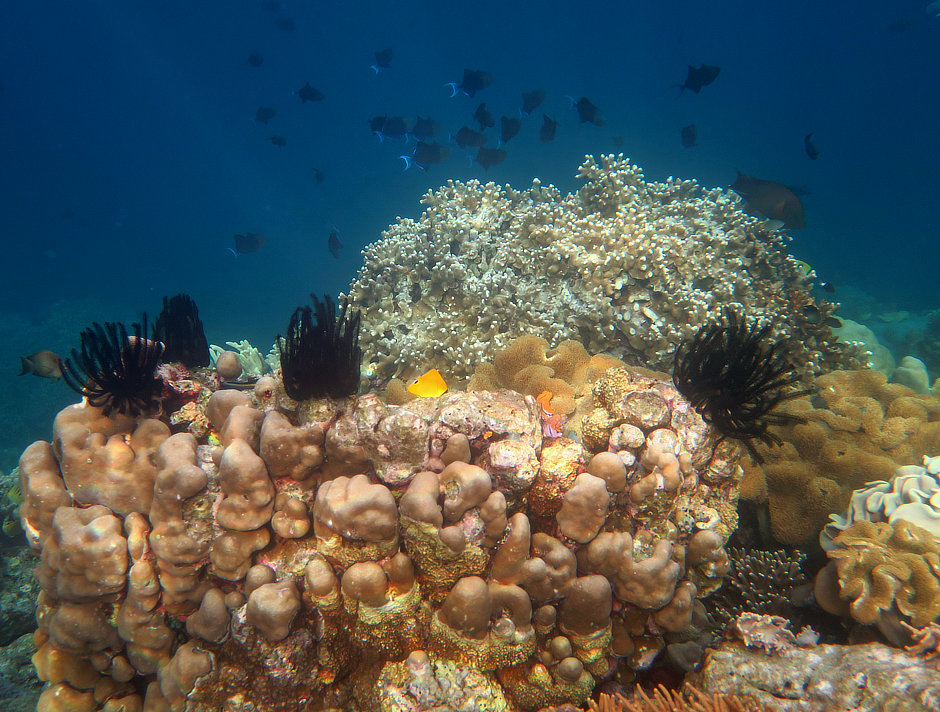
Nailaka is a tiny islet off the northwest tip of the larger island of Run. If you catch this Banda Sea snorkeling spot at the right time and current, you will find an extraordinary amount of fish hanging out in the blue water just off the reef. On our first snorkel there we were utterly captivated by a massive number of fish; it was awesome. We could hardly bring ourselves to explore the coral reef with its fish and critters.
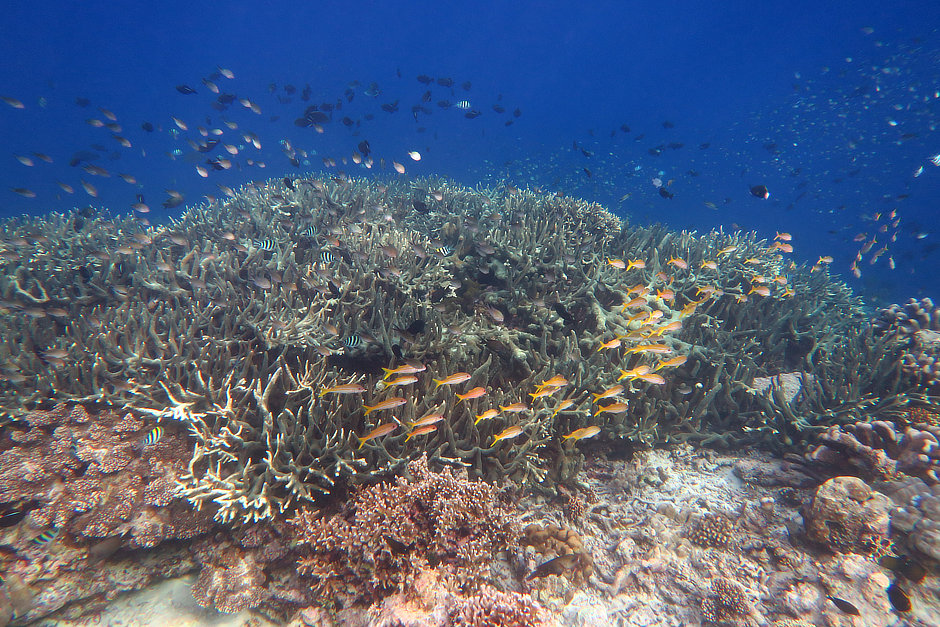
Nicole made a list of the fish we saw shortly after the snorkel: so many anthias, fusiliers, triggerfish, barracuda, school of batfish, Humpnose Bigeye Bream, Striped Large-eye Bream, Longface Emperor, Giant Trevally, Bluefin Trevally, Rainbow Runner, Double Spotted Queenfish, big school of Crocodile Needlefish, schools of Redlip Parrotfish, Bumphead Parrotfish, Diagonal Banded Sweetlips, big school of big Unicornfish (maybe Blue or Bluetail), huge school of big Black Snappers, Bignose Unicornfish, rabbitfish, sergeants, trumpetfish, many big Napolean Wrasses, Black-tip Reef Shark, razorfish, lionfish, and goatfish. A bit further around the island others on the same snorkel spotted a school of Bumphead Parrotfish too.
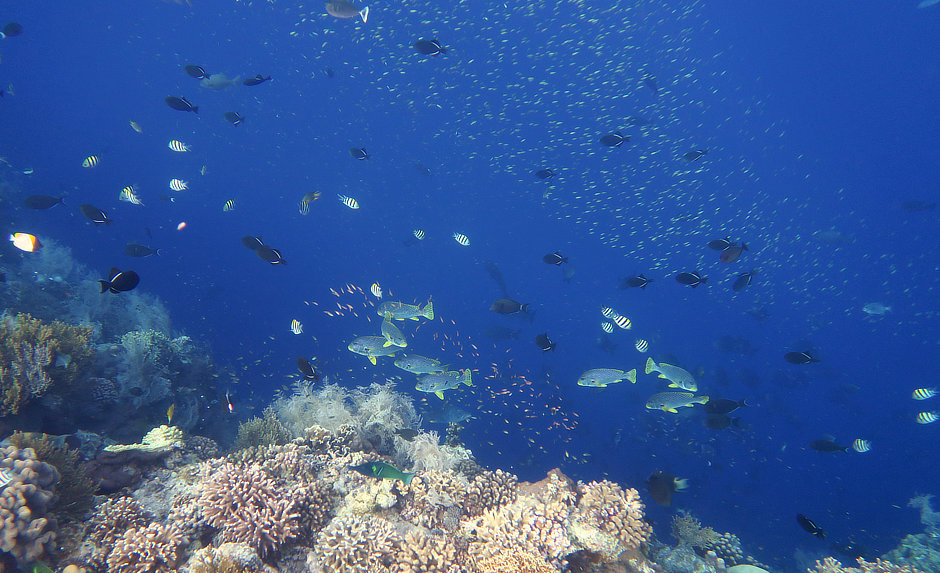
We snorkeled around Nailaka again a few hours later and it was really different. The current had changed and most of the fish were not in the same area. This time we were able to nearly circumnavigate the island and explore the coral reef more. Near the end of the snorkel, there were more fish hanging out in the blue again on the opposite side of the island. It was exciting Banda Sea snorkeling.
What We Saw Snorkeling Ai
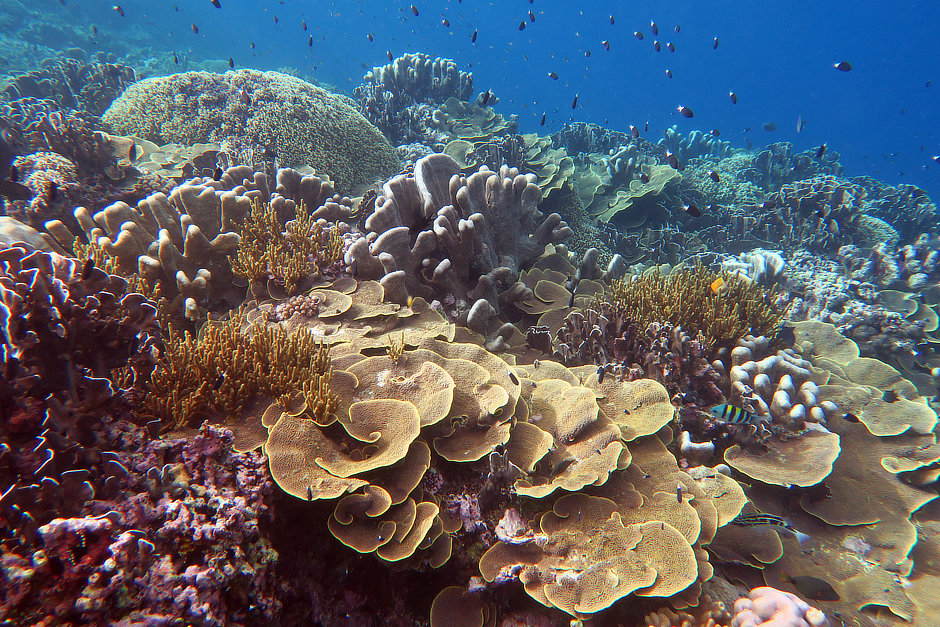
We enjoyed two snorkels on two different sides of the island of Ai. The reefs sloped slowly off the islands until they dropped off into the deep. They were a nice mix of hard and soft corals including gorgonians and leather corals. We saw big schools of fusiliers and large unicornfish, Black and Redtoothed Triggerfish, and Striped Large Eye Breams. A Black-tip Reef Shark was spotted, along with scorpionfish and numerous nudibranchs and flatworms.
Snorkeling Suanggi
Suanggi is a tiny island a ways out north of the main group of the Banda Islands. It is home to a massive colony of sea birds, which we could see from a ways off soaring in the skies around the little island. There were a few other liveaboards at the island, so it is a popular destination for these bigger boats, but it is apparently too far for day trips from Banda Naira.
There are huge areas of shallows that extend out from the north and east sides of the island. The currents can be quite strong. The draw here is the edge of the drop-off to watch for big pelagic fish out in the blue, specifically divers look for Hammerhead Sharks. Our group did not see any. Unfortunately we got stuck in a current that sucked us over the shallows, so we missed most of the drop-off. The shallows were flat and had very sparse life to see. We will just have to visit this Banda Sea snorkeling spot again and stay out over the drop-off next time!
What We Saw Snorkeling Banda Besar
Two more Banda Sea snorkeling spots were on the east and west sides of the northern tip of the island of Banda Besar. That tip of the island is known to divers as Pohon Miring, which means Leaning Tree.
The east side had fun topography to explore with little canyons going in toward shore. It had a wide variety of gorgeous fire corals, huge colonies of potato coral, other colorful hard coral, and leather corals. It was a great place for fish. We saw colorful anthias, Fire and Two-tone dartfish, anemonefish, numerous eels, tons of fish out in the blue over the drop-off, including surgeonfish, sergeants, breams, goatfish, damselfish, triggerfish, fusiliers, and a big barracuda. Other interesting creatures were spotted too like numerous nudibranchs, and octopus out and about.
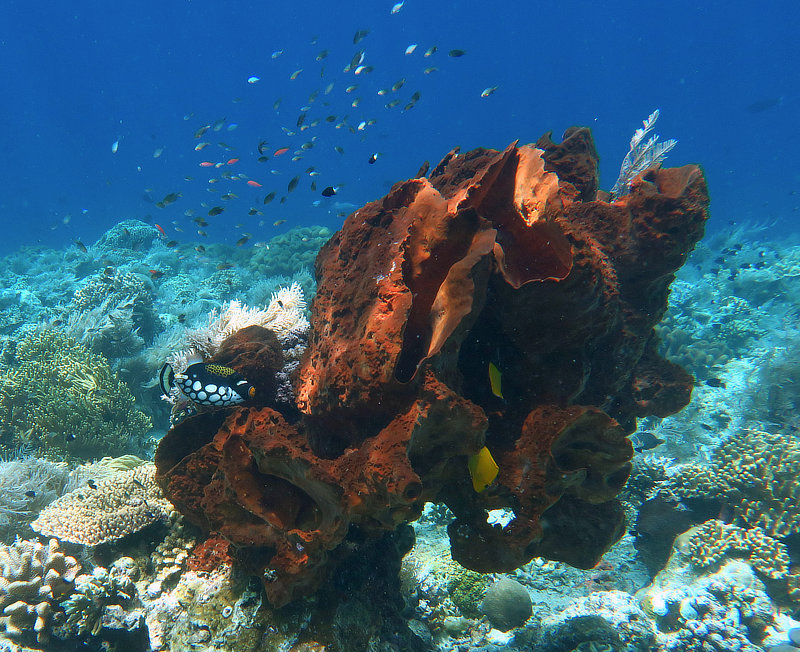
The west side also had great Banda Sea snorkeling. The reef had more beautiful soft corals including leather, gorgonians and more and there were fantastic huge dark brown sponges too. The blue water over the drop-off was also filled with similar fish to the east side. In the shallows some highlights were carpet anemones with Orange Skunk Anemonefish and Two-spot Dascyllus, a juvenile Rockmover Wrasse, octopus, Clown Triggerfish, Black-tip Reef Shark, and Giant Trevally.
Unfortunately, we missed the snorkel at Pisang, so cannot report what it was like. Others on the trip enjoyed it though.
Wonderful Land Tour at Banda Naira
We started our time in the Banda Islands with an interesting and scenic land tour in Banda Naira. We visited a history museum, toured the old Dutch fort, Fort Belgica, and visited a nutmeg farm. We had tasty treats at the farm and came home with nutmeg, cinnamon, mace, and nutmeg jam. It was one of the best land tours we’ve done in Indonesia, and we highly recommend it.
Snorkeling the Forgotten Islands
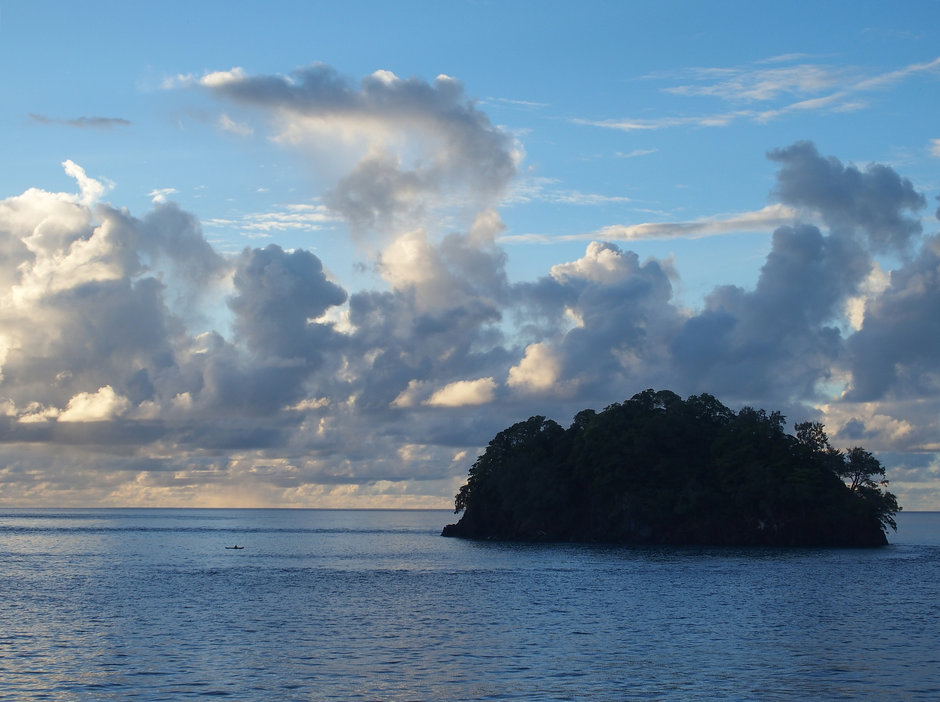
From what we can find, the Forgotten Islands are not defined in any geographic or official way. The only reference to the name we found was by the diving liveaboards which frequent the area. There is a chain of volcanic islands that arc through the eastern Banda Sea, known as the Inner Banda Arc, and these islands seem to be the ones referred to by the name Forgotten Islands. These islands offer some wonderful and unique Banda Sea snorkeling.
What We Saw Snorkeling Kekeh and Serua Islands
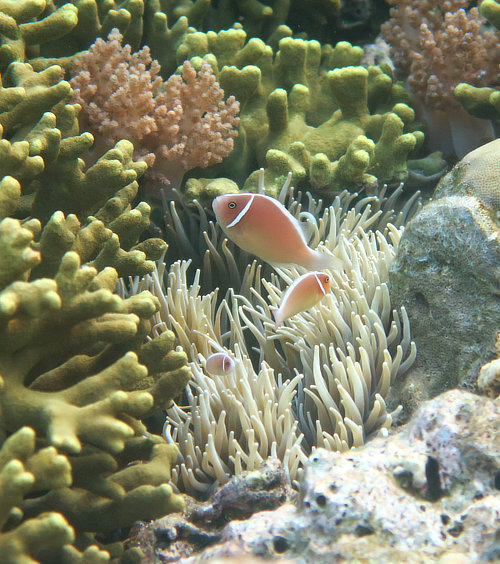
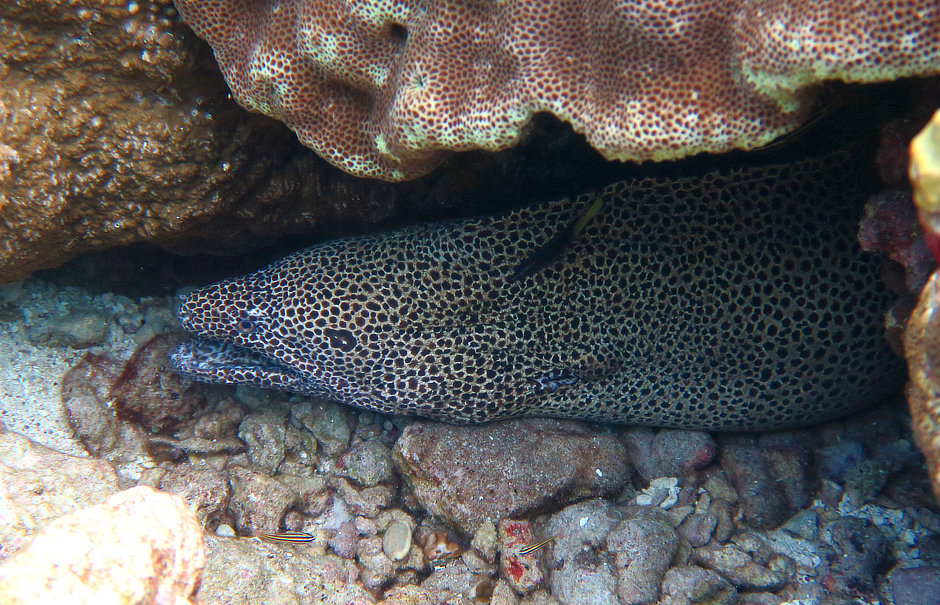
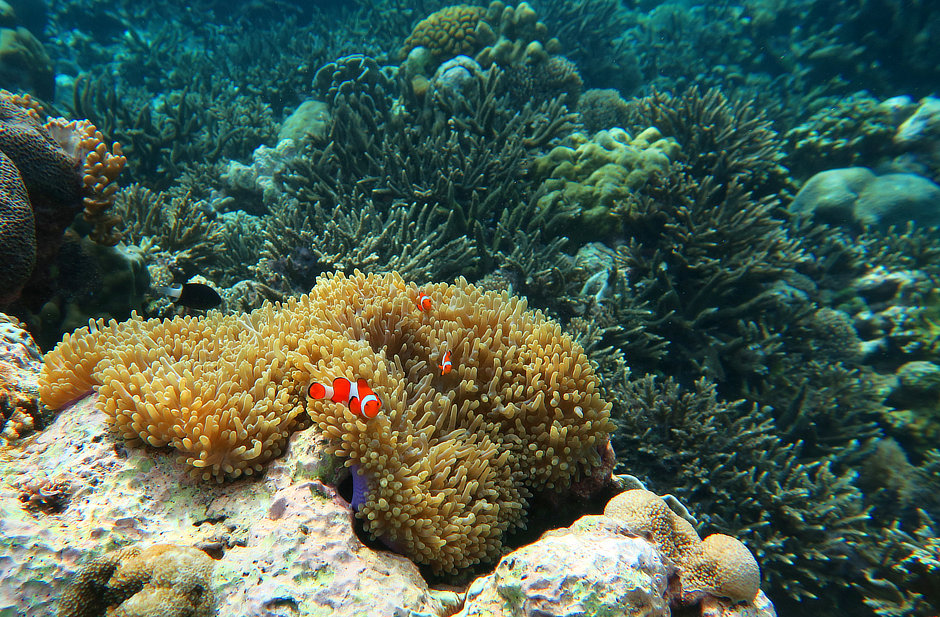
The first of the Forgotten Islands we visited was a group of three islands, Kekeh Besar, Kekeh Kecil, and Serua. We snorkeled these islands for a day and found beautiful coral reefs full of fish. There were Bumphead Parrotfish and large snappers, myriad schools of surgeonfish, tons of Black Triggerfish, Giant and Honeycomb Moray Eels, large giant clams, sea kraits, and colorful anemones with resident clownfish.
What We Saw Snorkeling Manuk Island
Banda Sea snorkeling would not be complete without a visit to Manuk, which translates from Indonesian as Bird Island. It is likely the most well-known of the Forgotten Islands. Like Suanggi, there is a massive population of boobies and frigate birds that call this island home and we enjoyed some bird-watching too.
Though it is named Bird Island, many snorkelers and divers call it Snake Island. There is a high number of resident sea kraits of at least two different species. One species, Laticauda semifasciata, or Chinese Sea Krait (or Snake), is found in only one other area of Indonesia, but is more common further north in Asia. This snake is also known as Black-banded Sea Krait, which makes identification very confusing because the snakes we saw of this species were not really black. They were a golden or pinkish color with whitish stripes.
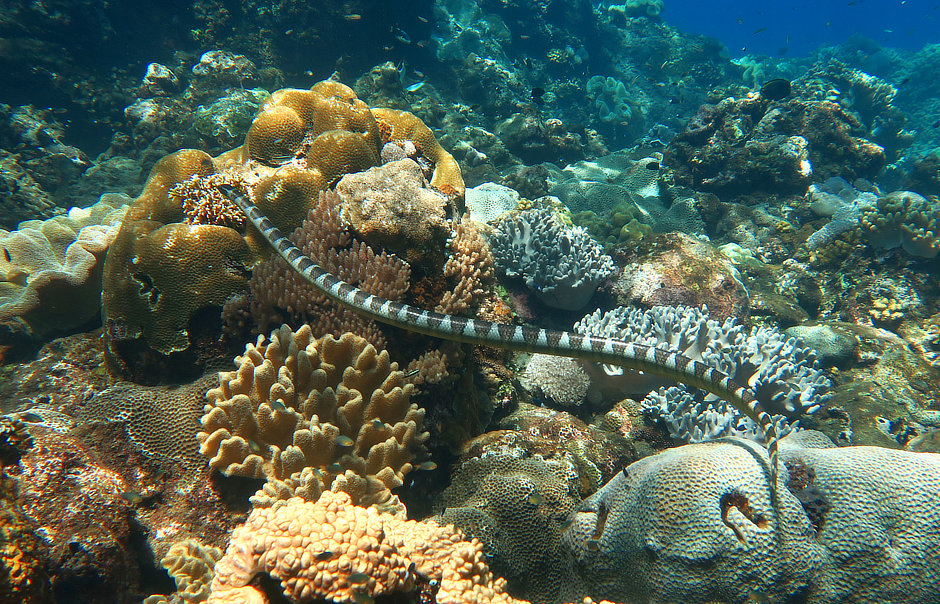
There were also quite a few of the Laticauda colubrina or Yellow-lipped Sea Kraits, also called Banded Sea Kraits (photo near the top of the page). These actually look like they are black and white striped, with yellow lips. We have seen these commonly throughout Indonesia.
We had a bunch of close interactions with these cool sea (and land) creatures as they come up to the surface to breathe and seem to be curious. We watched one of the Chinese Sea Kraits exhibiting a cooperative hunting behavior with a Bluefin Trevally. It was fascinating. The trevally would go to a coral and hang out almost pointing to a spot, then the snake would go in the hole the fish was pointing at.
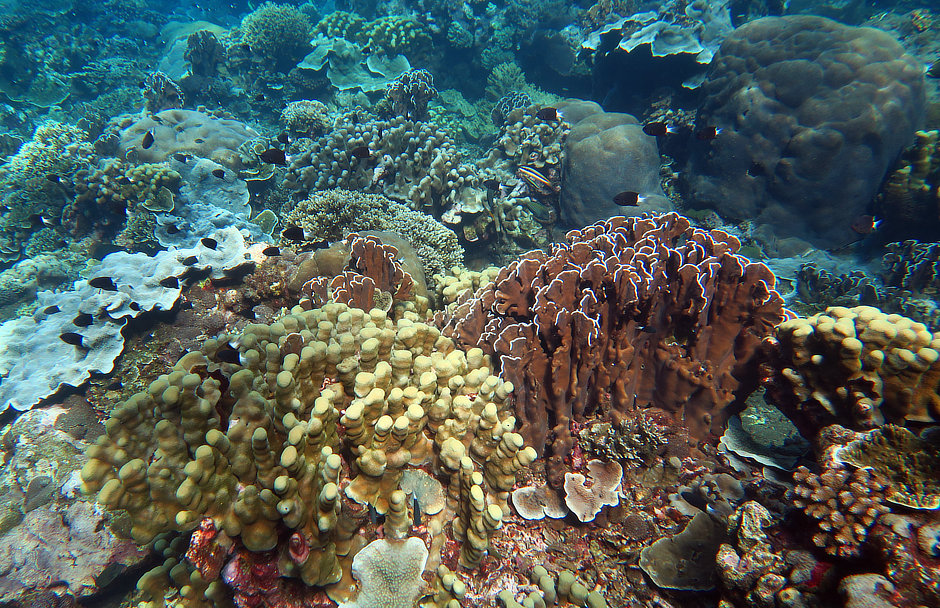
Maunk is an active volcano with a sulfur vent on the side and many warm water vents along the shoreline we felt while we were snorkeling. It is surrounded by black sand, which offers a unique backdrop to the vibrant sea life and makes the numerous nudibranchs stand out.
There was fun topography to explore around huge boulders and over big drop-offs. There was a massive school of large Black Snappers milling around those large boulders. We saw numerous octopus and Hawksbill Turtles. The reef was a mix of colorful hard and soft corals which stood out against the black sand. There were tons of fish over the drop-off both small and large. Schools of small fish were chromis, triggerfish, and fusiliers. The large fish were snappers, Giant Trevally and huge Napoleon Wrasse.
How to Experience Banda Sea Snorkeling for Yourself
Banda Sea Snorkeling offers wonderful opportunities to see myriad sea life on hard and soft coral reefs and out in the blue water past the edge of the reefs. If you enjoy snorkeling from liveaboards, this destination should be on your list.
If a trip starts in Ambon, chances are very high you will be visiting the Banda Islands. A trip that visits the Forgotten Islands usually also visits the Banda Islands. But the itineraries are variable, so be sure to get the details of where the trip is supposed to visit.
Our trips partner is currently offering two Banda Sea Snorkeling itineraries:
- Forgotten Islands Snorkeling Trip aboard the Coralia, happens soon and is currently full.
- Raja Ampat Banda Sea and Alor Snorkeling Trip aboard the Mermaid II. This epic 17 day long journey explores many of the best destinations in the world, including the Banda Islands and the Forgotten Islands described on this page.
- Banda Islands and Triton Bay Snorkeling Trip aboard the brand new Coralia Dua.
If you decide to book a different liveaboard, we highly recommend that you choose one that is chartered exclusively for snorkelers. If you join a trip with divers, you will not likely have as good of a Banda Sea snorkeling experience as priority for spot choice is weighted toward the divers.
More Snorkeling Destinations and Gear Info
- Snorkeling Misool Indonesia – Our current favorite spot in the world
- Snorkeling Alor Indonesia – A very close second favorite
- Snorkeling Equipment – Everything you might need or want
- Snorkeling Camera – Bring home visual memories from your underwater adventure