
By Nick and Jo Penn
We’ve been meaning to share our experience of snorkeling Bonaire in February 2025 as we had read reports of deteriorating conditions there.
We had another very enjoyable trip this year (our fourth) but with every visit it is definitely harder to find the best snorkeling. What is so special about Bonaire is the range of snorkeling available from the shore. Each year we hired an AirBnB for two weeks in February, and equipped with a truck and the Bonaire Snorkeling Guide (previously available from this site), we snorkeled every day. The only exception is Klein Bonaire which requires a boat of some description.
Snorkeling Bonaire Video
Following is our 2025 snorkeling Bonaire trip video on YouTube:
The Bonaire Snorkeling Spots That Are Still Good
Karpata
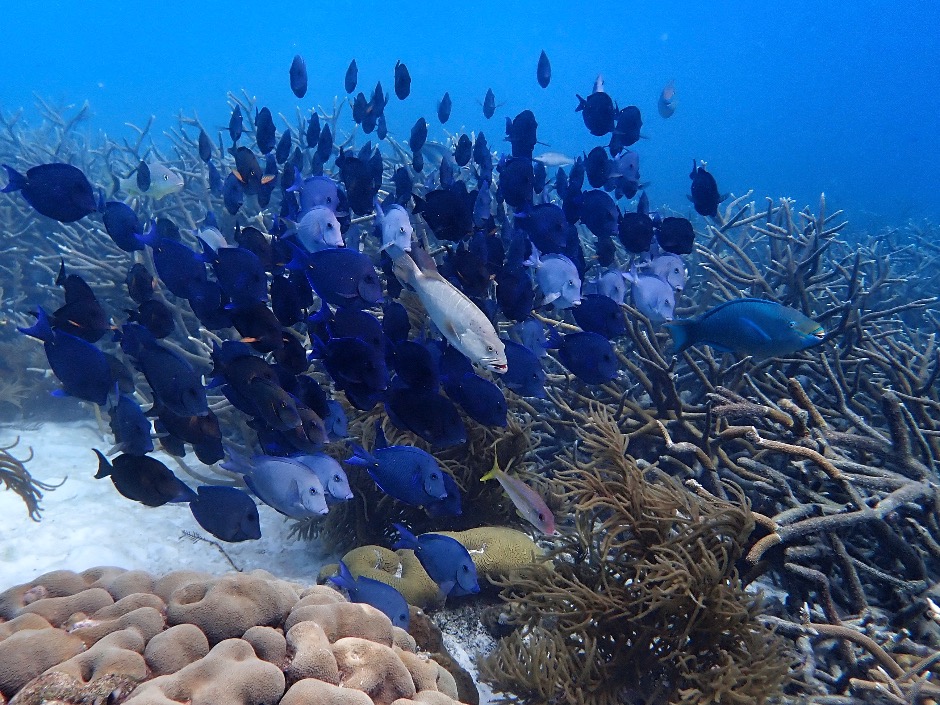
At Karpata there are an abundance of different habitats, hard and soft corals, turtles, bait balls, large parrotfish, etc. Something amazing on every visit. The entrance can be tricky if sea conditions are choppy but it is accessible on many days if you get up before the wind does.
1000 Steps
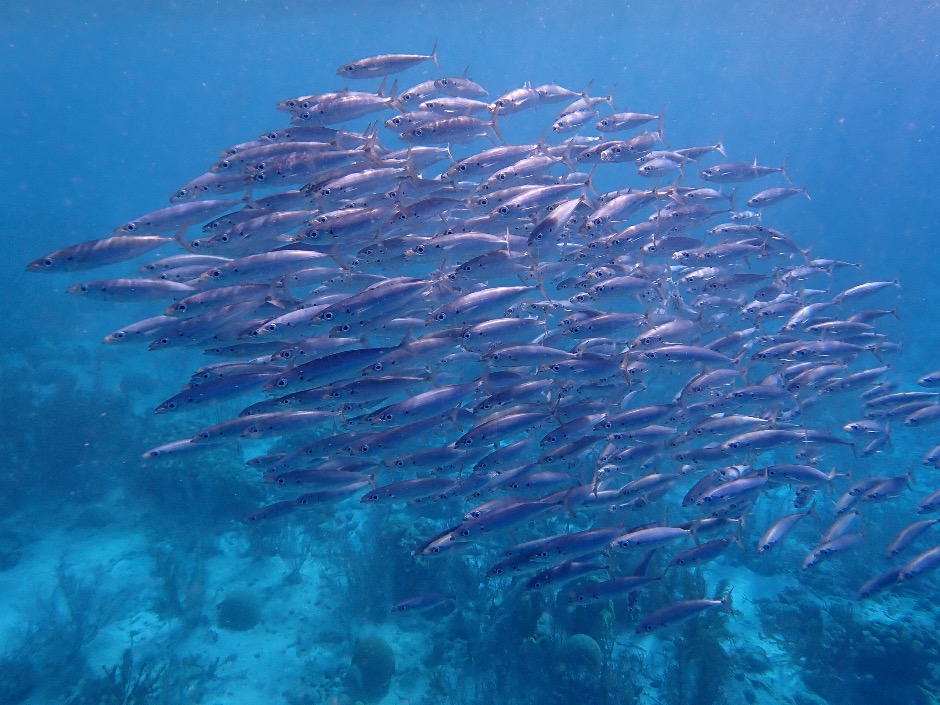
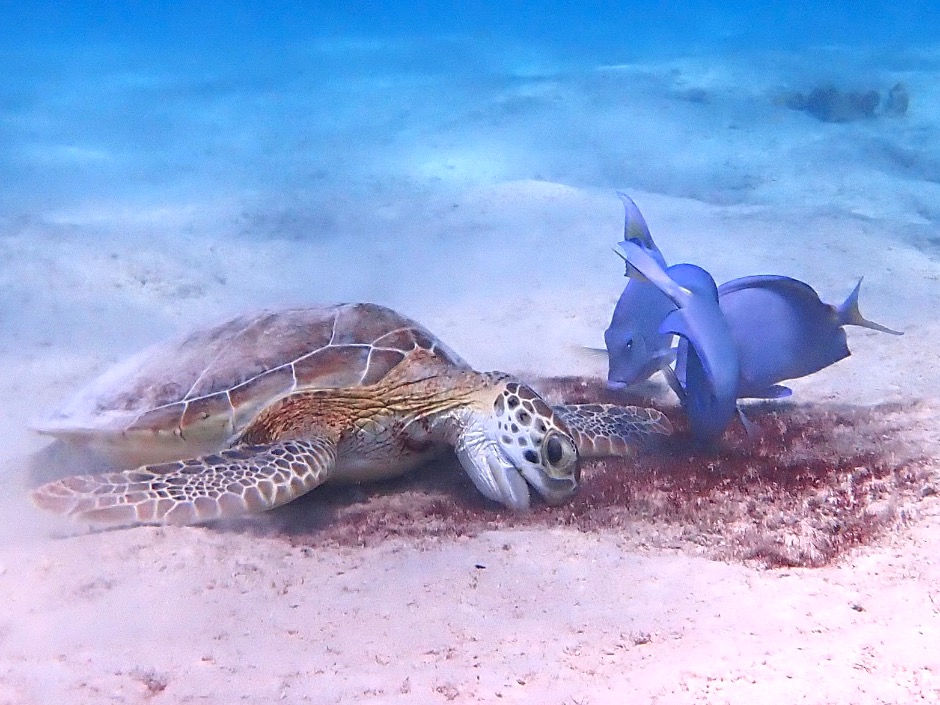
1000 Steps is not rated well by some but it is easily accessible and has fantastic snorkeling, especially if you get there first and range widely up and down the snorkel area. There are large areas of staghorn at both ends of the snorkel area. The wave-washed algal pavements along the shore are frequented by many green turtles – juveniles and adults. The small coral boulders just outside of the wave break zone are a great place to see eels and octopus. There are extensive areas of very beautiful soft corals to the south of the beach aarea.This is the only location where we regularly saw Ocean Triggerfish.
Margate Bay
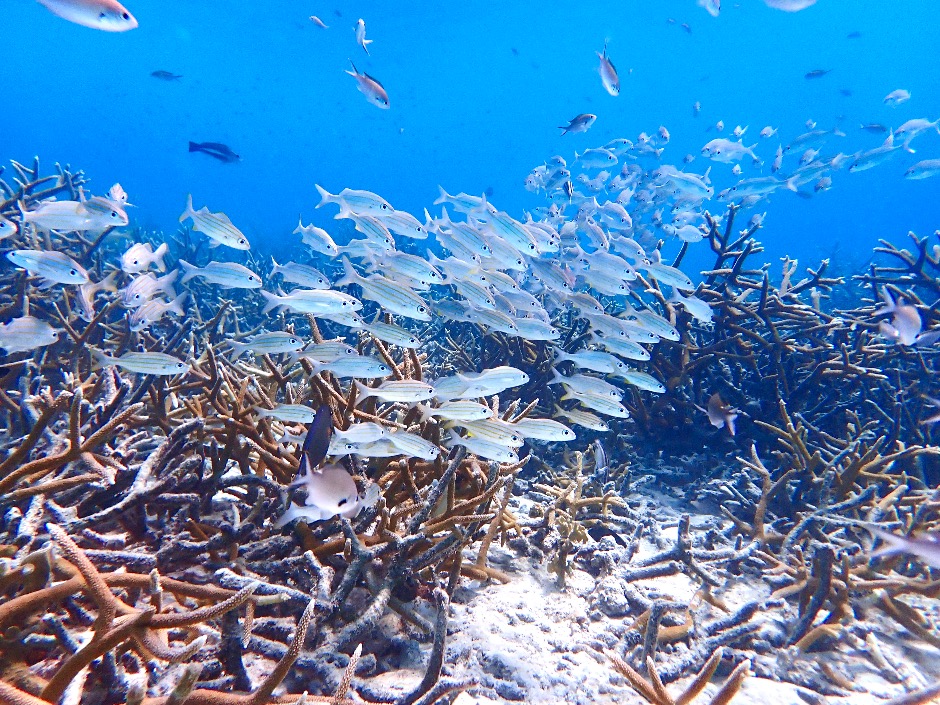
At Margate Bay the algal pavements in the wave break zone are feeding grounds for large shoals of parrotfish (Blue and large shoals of Spotlight) and surgeonfish. Further offshore there are large stands of staghorn coral with abundant grunts, Queen Parrotfish, etc. And as the name suggests… there is always a large shoal of elegant Margate.
Klein Bonaire
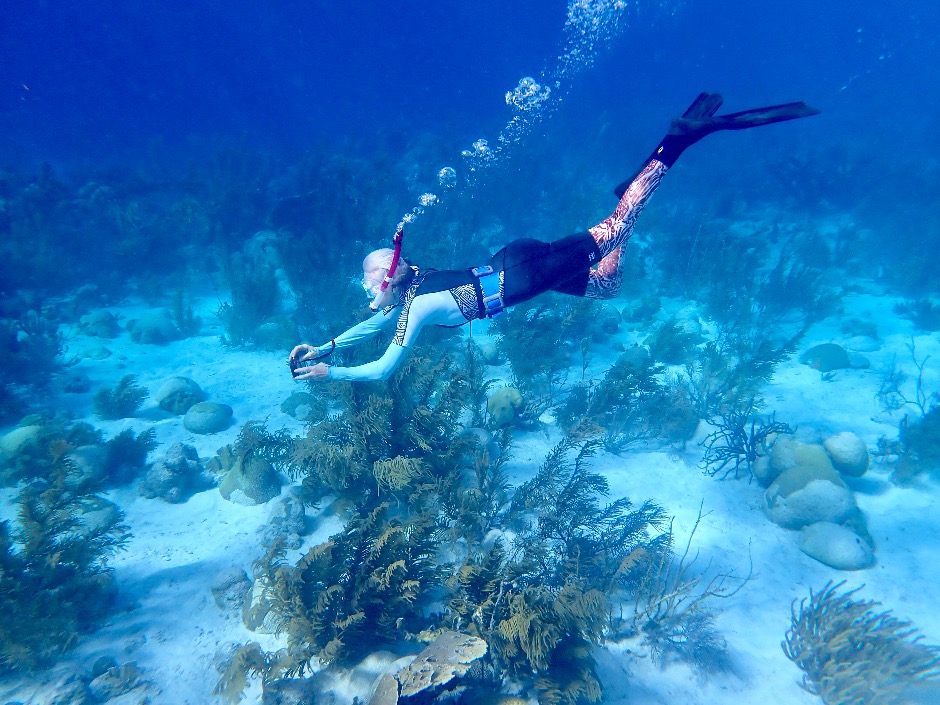
We tried lots of locations around Klein Bonaire, but our favourite is between Ebo’s Reef and Jerry’s Reef. This is the only spot we snorkeled on Bonaire where we found the current direction to be unpredictable. The first year we hired our own boat but that entailed some longish swims against the flow. We found that much the best way to see these reefs is to take a trip with Helmer and Larissa of ‘Aqua Fun’ who can drop you off for a drift snorkel and pick you up when you’re ready. Deep blue drop-offs with big fish, big sponges, very varied corals, hard and soft.
Drift Snorkeling
One of the features of snorkeling Bonaire is that there is nearly always a gentle current flowing from southeast to northwest along the sheltered coastline. As we became more adventurous in our snorkeling we found it easier to ‘go with the flow’ and we made many ‘drift snorkels’. We would do a recce of the getting-in and getting-out spots to check that conditions were favourable at both. Then park at the getting-out spot, don gear and walk up the road to the getting-in spot. Hide a bag of shoes and hats at the getting-in spot. Do our drift snorkel, get out, get changed and then drive back to the getting-in spot to collect the things we had left there.
Our Favorite Spots
- Red Beryl to Margate Bay – we think that the best snorkeling is along the inner edge of the wide sandy area.
- Alice in Wonderland to Angel City – for spotted eagle rays.
- La Dania’s Leap to Karpata – this is only for experienced snorkelers. Be sure to have familiarized yourself with a couple of snorkel sessions at Karpata and do a thorough recce before trying this. The conditions must be calm. This is a remote section of coast with little boat traffic. Once you’ve jumped in at La Dania’s Leap there is no exit point until Karpata so if you’re doing this without a support boat be sure to check and recheck the direction of the current and your gear. The reward is an amazing snorkel experience with fabulous corals, huge shoals of surgeonfish and a great variety of fish – angelfish, filefish, etc., and turtles, all in excellent visibility.
We have snorkeled nearly every spot on the island and we have seldom come out of the water without having seen something new and memorable. But those are the spots that we go back to time and again.
Changes for Snorkeling Bonaire
So what has changed in Bonaire over the last five years? Three things possibly:
- Stony Coral Tissue Loss Disease (SCTLD): Bonaire was one of the last islands in the Caribbean to be affected c.2022. It is now at all sites. Brain corals and other massive corals are the most conspicuously affected, but by no means all of them – some are proving resistant. Staghorn and elkhorn are not affected.
- Storms: No one storm in particular but there is evidence of damage at shallow sites which are normally well protected but have been hit by swells from an unexpected direction e.g. Andrea I and II.
- Lac Bay: The snorkeling on the outer reef at Lac Bay was outstanding for our first three years so our jaws dropped when we reached that section of reef this year and it was 99% dead with a few discombobulated snapper. Some say that it was a coral bleaching event in 2024; others, more plausibly, that it was the oil slick that made landfall on the east coast of Bonaire at the end of February 2024. This reef was one of Bonaire’s jewels and will take decades to re-establish – but, thankfully, whatever happened there appears to have been contained to this one site, the only snorkel site on the exposed side of the island.
Our Top Tips for Snorkeling Bonaire
- Get going early. For the best conditions on tradewind days try and be in the water soon after 9am. Mid-morning is the sweet spot.
- Don’t overlook the shallows. Many of the signature species – turtles, parrotfish, surgeonfish – are algal feeders. Algae are most abundant in shallow water, reducing as light levels diminish with depth. We have seen Rainbow Parrotfish, the largest species, at most locations but none more so than walking along the shore between Andrea I and Andrea II where you can often see them with their dorsal fins out of the water feeding on algal mats in the wave break zone.
- Don’t overlook the rubble and boulder zones if you enjoy spotting eels.
- Make the most of calm days (Windguru – zero stars or one star) to snorkel the most exposed sites e.g. Red Slave and Karpata.
- Snorkel slowly; spend time floating and watching; remember to look ahead of you as well as down; explore from the wave break zone to the drop-off; wait quietly and things will come to you!
P.S. There is a very exciting reef renewal project under way in Bonaire – the best place to see it is at the Buddy Dive Resort where there you can snorkel over the coral nurseries and extensive areas of planted-out staghorn on the sandy areas and elkhorn and massive corals on the hard substrates. The staff at the dive resort are very helpful and can tell you where else to look out for restored reefs.
P.P.S. Galen and Nicole, we are big fans of your snorkeling guides which have taken us to Curacao (2019) and Bonaire (2020, 2023, 2024, 2025) and we very much enjoy your Snorkeling Explorer newsletter.
Thank you for sharing your beautiful and well done video and your experience in Bonaire. Your expertise and time are very much appreciated.
May I please ask you what kind of camera you own? Your pictures are exceptional.
I agree with your comments, Galen and Nicole’s newsletters are awesome. I am always looking forward to read their very interesting newsletter, many thanks!
Hi Louise, apologies I only just saw your kind message. All the video was shot with an OM System TG-7. I don’t use a housing for it. Edited in iMovie on my iPad Pro. Best wishes.